2026 Top School Backpack Types for Global Buyers?

Time:2026-09-11 Author:Aria
0%

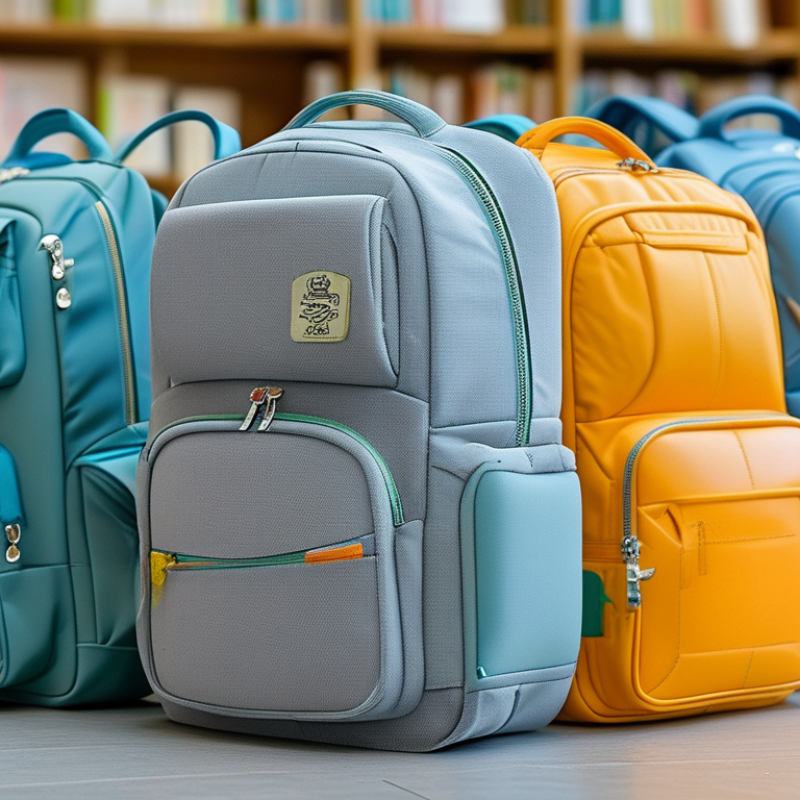
Choosing the right school backpack in 2026 requires more than attractive colors and large storage space. Global buyers must consider student age, school routines, climate, transport, and purchasing expectations. A lightweight backpack may suit a primary student, while a reinforced laptop backpack may better serve older learners. Backpacks School collections now include ergonomic, waterproof, trolley, convertible, recycled-material, and tech-ready designs. Each type answers a different daily problem.

Practical testing should guide every recommendation. Load a sample with books, a tablet, a lunch box, and a one-liter water bottle. Check whether the shoulder straps remain comfortable after several hours. Inspect stitching around the handles and zippers. Reflective strips can improve visibility during early morning travel. Breathable back panels matter in hot regions, while water-resistant fabric helps during sudden rain. However, “waterproof” claims deserve careful verification. Some products protect against light showers only.

Reliable suppliers should provide material details, size charts, weight information, test reports, and clear quality-control records. Buyers should also examine carton strength, labeling accuracy, color consistency, and replacement policies. A low unit price can hide weak seams or costly returns. That lesson is easy to overlook. Regional preferences also influence sales: bright character designs may appeal to younger buyers, while simple black or navy styles often suit secondary students. No single model fits every market. Forecasts can be useful, but real feedback from students, parents, retailers, and teachers remains more valuable. This guide explores the leading school backpack types for global buyers in 2026, with practical comparisons and honest limitations.
2026 Top School Backpack Types for Global Buyers?

School Backpack Types: A Global Buyer’s Overview for 2026

For global buyers in 2026, school backpack selection starts with use conditions, not appearance. A compact daypack suits short commutes, light books, and younger students. Older pupils may need a structured laptop backpack with padded device space. In wet cities, coated fabric and covered zippers offer practical protection. In hot regions, ventilated back panels can reduce discomfort during long walks. These details sound simple. They are often missed.

Convertible trolley backpacks help children carry heavy loads across airports or large campuses. However, wheels add weight and create problems on stairs, gravel, and crowded buses. Roll-top designs resist rain and adjust volume, but access can be slower. Buyers should compare shoulder straps, sternum support, handle strength, and base stability. A sample filled with real textbooks reveals more than a product photograph. Check stitching, zipper movement, seam finishing, and cleaning instructions before approving bulk production.

A reliable global review also examines age fit, loading limits, visibility, and repair options. Reflective panels help in low light, although they cannot replace safe travel habits. Material claims require test reports, supplier records, and clear measurement methods. Do not treat recycled content as automatic proof of durability. It may support sourcing goals, yet weak construction still creates waste. Packaging size, customs documentation, and consistent color standards also affect landed cost. One honest limitation remains: no backpack type fits every education system. Regional trials with students and caregivers can expose uncomfortable assumptions before shipment.

Key Features and Materials in Modern School Backpacks

Global buyers entering the 2026 school backpack market should inspect construction, not just color. Modern designs increasingly combine recycled polyester, lightweight foam, and water-resistant coatings. Textile Exchange’s 2024 Materials Market Report states that recycled polyester represented 14% of global polyester production in 2023. This signals supply growth, but recycled content alone does not prove lower environmental impact. Ask for fiber percentages, coating chemistry, test methods, and chain-of-custody documents. Proof matters.

Comfort and durability remain key features in modern school backpacks. The American Academy of Pediatrics advises keeping a loaded backpack near 10–15% of a child’s body weight. Buyers should seek wide padded straps, breathable back panels, adjustable chest straps, and balanced compartments. A reinforced base helps when bags meet wet floors or rough bus storage. Laboratory testing should check seam strength, colorfastness, zipper cycles, and water resistance. In practical product reviews, small details often matter most. A beautiful bag can still feel awkward.

Tips: Request a material specification sheet before approving samples. Compare 300D and 600D polyester carefully; heavier fabric may improve abrasion resistance, but it can increase weight. Check whether recycled fibers weaken stitching or require stronger reinforcement. I would not treat every “eco” claim as reliable. Ask for independent test reports and regional compliance records. Leave room for honest defects, too; a minor design flaw can reveal a larger quality-control problem.

Modern school backpacks commonly range from 18 to 32 liters. Lightweight daypacks prioritize low weight, ergonomic backpacks add padded back panels and reinforced shoulder straps, laptop backpacks include protected device compartments, rolling backpacks use a reinforced base and wheels, and eco-focused models commonly use recycled polyester or recycled nylon. The chart shows typical market capacity midpoints rather than brand-specific data.

Age-Based Backpack Designs for Different Student Needs

2026 Top School Backpack Types for Global Buyers

Age-Based Backpack Designs for Different Student Needs

Backpack design should follow a student’s body, routine, and learning stage. For children aged four to six, choose a lightweight bag with wide padded straps, smooth zippers, and simple compartments. A small chest strap can improve stability during walks. Bright colors also help adults identify the child quickly.

Students aged seven to twelve often carry books, lunch boxes, sportswear, and digital devices. Their backpacks need stronger panels, breathable back padding, and separate storage for heavier items. The bag should sit close to the back, not below the hips. Adjustable straps matter more than decorative features. From practical fitting experience, many families select bags that are too large for future growth. This choice can create unnecessary shoulder strain.

Teenagers usually need flexible designs for changing schedules. Laptop protection, water-resistant fabric, hidden pockets, and organized inner sections are useful for school and travel. However, extra features can add weight. Buyers should check empty-bag weight, stitching quality, strap strength, and zipper performance before ordering large quantities. Product measurements should also match regional textbooks and common device sizes.

Tips: Ask students to test the backpack with books inside. Keep heavy items near the back panel. Leave space for airflow. Inspect seams after repeated use. A perfect design is difficult; comfort may need priority over style.

2026 Top School Backpack Types for Global Buyers? - Age-Based Backpack Designs for Different Student Needs

A practical comparison of age-appropriate school backpack designs, capacity ranges, fit guidance, and functional requirements.

Student Age School Stage Recommended Backpack Type Typical Capacity Suggested Dimensions Approximate Empty Weight Key Design Requirements Best-Suited Use Cases Buyer Considerations
3–5 years Preschool / Kindergarten Small daypack with a simple two-compartment layout 5–8 L Approximately 28–34 cm high × 22–26 cm wide × 10–13 cm deep About 200–350 g Lightweight construction, wide padded shoulder straps, easy-to-use zippers, secure chest strap, name-label area, and rounded edges Change of clothes, snack box, small water bottle, tissues, and communication folder Prioritize low weight, simple organization, easy cleaning, and a torso length that does not extend below the child’s lower back
6–8 years Early Primary School Compact school backpack with a structured main compartment 10–14 L Approximately 34–39 cm high × 25–29 cm wide × 12–16 cm deep About 350–550 g Padded back panel, adjustable shoulder straps, chest strap, reflective details, reinforced base, and separate space for school supplies Exercise books, pencil case, lunch container, water bottle, and lightweight classroom materials Use child-sized proportions; the pack should sit high on the back and remain stable during walking and school transport
9–11 years Upper Primary School Multi-compartment everyday school backpack 14–20 L Approximately 39–44 cm high × 28–32 cm wide × 15–19 cm deep About 500–750 g Contoured back panel, padded shoulder straps, dual side pockets, internal organization, durable bottom panel, and reflective elements Textbooks, folders, tablet or small laptop, sports clothing, lunch, and daily school supplies Balance capacity with empty weight; compartments should help distribute dense items close to the back
12–14 years Lower Secondary School Ergonomic school and technology backpack 18–25 L Approximately 42–47 cm high × 30–34 cm wide × 16–21 cm deep About 650–900 g Padded device sleeve, reinforced base, breathable back panel, sternum strap, compression straps, water-resistant fabric, and secure accessory pockets Multiple textbooks, A4 or letter-size folders, tablet or laptop, charger, lunch, and personal items Confirm device-sleeve dimensions separately; a padded compartment should prevent direct contact between electronics and hard school supplies
15–18 years Upper Secondary School Large academic backpack with laptop protection 22–30 L Approximately 44–50 cm high × 31–36 cm wide × 18–23 cm deep About 750–1,100 g Dedicated laptop compartment, document sleeve, reinforced shoulder attachment points, breathable padding, secure top handle, and weather-resistant materials Textbooks, binders, laptop, notebooks, lunch, calculator, stationery, and after-school essentials Provide enough volume for academic loads without excessive depth; wide openings improve access to binders and folders
18+ years College / University Commuter backpack with modular organization 20–32 L Approximately 43–52 cm high × 30–37 cm wide × 17–24 cm deep About 800–1,300 g Separate laptop and tablet sleeves, document protection, luggage pass-through, water-resistant exterior, padded base, quick-access pocket, and adjustable sternum strap Laptop, textbooks, A4 or letter-size documents, lunch, personal technology, travel accessories, and daily commuting items Offer flexible internal organization and check compatibility with common laptop sizes used in the target market
All school ages General school use Lightweight roll-top or water-resistant daypack 12–28 L Size should be selected according to the student’s age and torso length Usually 400–1,000 g, depending on construction Adjustable closure, water-resistant fabric, padded straps, protected seams, reflective visibility features, and easy-to-clean surfaces Rainy climates, walking commutes, outdoor learning, and schools with variable daily loads Roll-top designs provide flexible capacity but may be less convenient for younger children; closure operation should be tested before purchase
All school ages Sports and activity programs School-to-sports hybrid backpack or separate activity bag 18–35 L Approximately 40–55 cm high × 28–38 cm wide × 18–25 cm deep About 600–1,200 g Ventilated shoe compartment, washable lining, durable bottom, external bottle pocket, breathable padding, and secure equipment storage Uniforms, sports shoes, towel, water bottle, books, and after-school activity equipment Separate footwear from books and electronics; odor-resistant or washable interior materials are useful for frequent activity use

Safety, Comfort, and Sustainability Standards to Consider

2026 Top School Backpack Types for Global Buyers?

Safety begins with details that children actually touch. Look for smooth seams, secure zippers, rounded hardware, and reflective panels for darker commutes. Shoulder straps should be wide, padded, and adjustable without slipping. A breathable back panel helps during warm school days. The bag should stay upright when placed on the floor.

Keep it light.

A practical fitting check is simple: load a sample with books, then observe the child walking, bending, and climbing stairs. The pack should sit close to the back, with heavier items near the body. A chest strap can improve stability, but it must release easily in an emergency. Avoid excessive decorative parts that may detach or catch. No checklist is perfect. Children also carry uneven loads, despite good instructions.

Sustainability needs evidence, not attractive wording. Buyers should request material composition, recycled-content documentation, chemical test reports, and factory quality records. Destination rules differ, so suppliers must verify applicable requirements, including chemical restrictions in major markets. Durable polyester, reinforced stitching, replaceable pulls, and repairable panels can reduce replacement rates. Recycled fabric is useful, but it does not automatically make a backpack sustainable. Water-resistant coatings also deserve careful questioning, especially when suppliers make broad “eco” claims. Sample testing should include zipper cycles, strap pulls, seam strength, color transfer, and abrasion. Ask for current reports, not old certificates.

How Global Buyers Can Compare Suppliers and Purchase Options

For global buyers, 2026 school backpack sourcing should begin with the student’s daily use. Lightweight daypacks suit younger pupils, while laptop sleeves help older students carry devices safely. Expandable bags may support changing schedules, but extra features can increase weight and failure points. Samples reveal gaps.

A reliable supplier comparison needs evidence, not polished photos. Request samples with matching fabric, lining, zippers, and stitching. Check shoulder-strap padding, seam strength, base reinforcement, and water resistance. Load the bag with books and inspect it after repeated handling. Ask for material details, quality records, production capacity, and independent test reports where appropriate. Factory visits or third-party audits can reveal crowded workspaces, weak inspection routines, or unclear subcontracting. A spreadsheet can still mislead.

Purchase options should be compared by total cost and risk. Stock designs usually offer lower minimum quantities and faster shipment. Custom production allows unique colors, compartments, and printed details, but needs longer approval time. Private-label orders require careful artwork control and packaging checks. Review payment terms, lead time, replacement policies, shipping terms, and destination requirements before signing. Price is not value. A cheaper bag may create more returns, delays, and customer complaints. Buyers should also test one production batch before scaling orders, even when the supplier appears experienced. My own preference would be cautious: one overlooked zipper or strap can weaken an otherwise attractive program.

FAQS

: How should buyers choose a school backpack type?

: Match the bag to daily conditions. A compact daypack suits short commutes and lighter books. Older students may need padded device space. Wet cities benefit from coated fabric and covered zippers. Hot regions need ventilated back panels. Appearance can mislead.

Are trolley backpacks suitable for every student?

No. Wheels help across airports and large campuses. They add weight, however. Stairs, gravel, and crowded buses can make them awkward. Test a filled sample on several surfaces before ordering.

What should buyers check during sample inspection?

Fill the sample with real textbooks. Check shoulder straps, stitching, zippers, seams, handles, and base stability. Observe the bag during walking and stair climbing. Product photos are not enough.

How can a backpack improve carrying comfort?

Choose wide, padded, adjustable straps. A chest strap can improve stability. The back panel should allow airflow. Heavy books should sit near the child’s body. The loaded bag should stay close to the back.

What backpack weight is generally practical for children?

A loaded backpack should stay near 10–15% of the child’s body weight. Keep it light. Children often carry uneven loads, despite careful instructions. Real-life fitting checks remain important.

Which materials deserve closer attention?

Recycled polyester can support sourcing goals. It does not automatically prove durability or lower environmental impact. Compare fabric weights, fiber percentages, coatings, and reinforcement methods. Heavier fabric may resist abrasion but increase carrying weight.

What safety details should a school backpack include?

Look for smooth seams, secure zippers, rounded hardware, and reflective panels. Reflective details help in low light. They cannot replace safe travel habits. Avoid loose decorations that may detach or catch.

How can buyers verify sustainability and quality claims?

Request material specifications, current test reports, supplier records, and composition documents. Check zipper cycles, strap pulls, seam strength, abrasion, color transfer, and water resistance. Old certificates may not reflect current production. Proof matters.

Do roll-top backpacks work well in rainy regions?

Roll-top designs resist rain and adjust volume. Access can be slower, especially between classes. Test opening speed with wet hands and a full load. A rain-resistant coating may still need careful verification.

What limitations should global buyers remember?

No backpack type fits every education system. Regional trials with students and caregivers can reveal uncomfortable assumptions. Repair options, packaging size, customs paperwork, and color consistency also affect total cost. Some flaws appear only after repeated use.

Conclusion

This 2026 guide offers global buyers a practical overview of modern school backpack types, from lightweight daily bags and ergonomic designs to expandable, multifunctional, and technology-friendly options. It explains how materials such as recycled fabrics, water-resistant textiles, reinforced polyester, and breathable padding influence durability, comfort, maintenance, and environmental performance. The guide also highlights age-based requirements, showing how backpack size, compartment layout, weight distribution, and adjustability should change for younger children, middle-school students, and older learners.

Safety, comfort, and sustainability are central considerations when evaluating Backpacks School products. Buyers should examine adjustable straps, padded back panels, secure closures, reflective details, non-toxic materials, and responsible manufacturing practices. To compare suppliers effectively, global purchasers can review product specifications, quality-control procedures, customization capabilities, minimum order quantities, certifications, packaging choices, production timelines, and communication standards. A structured comparison helps buyers select reliable products that meet student needs while balancing performance, cost, sustainability, and long-term value.


Aria

Aria

Aria is a dedicated marketing professional with a deep passion for innovative strategies and a keen understanding of our company's product offerings. With a wealth of experience in the industry, Aria excels at crafting engaging content that highlights the unique features and benefits of our......