What is the Best Food Container for Your Needs?

Time:2026-04-29 Author:Sienna
0%

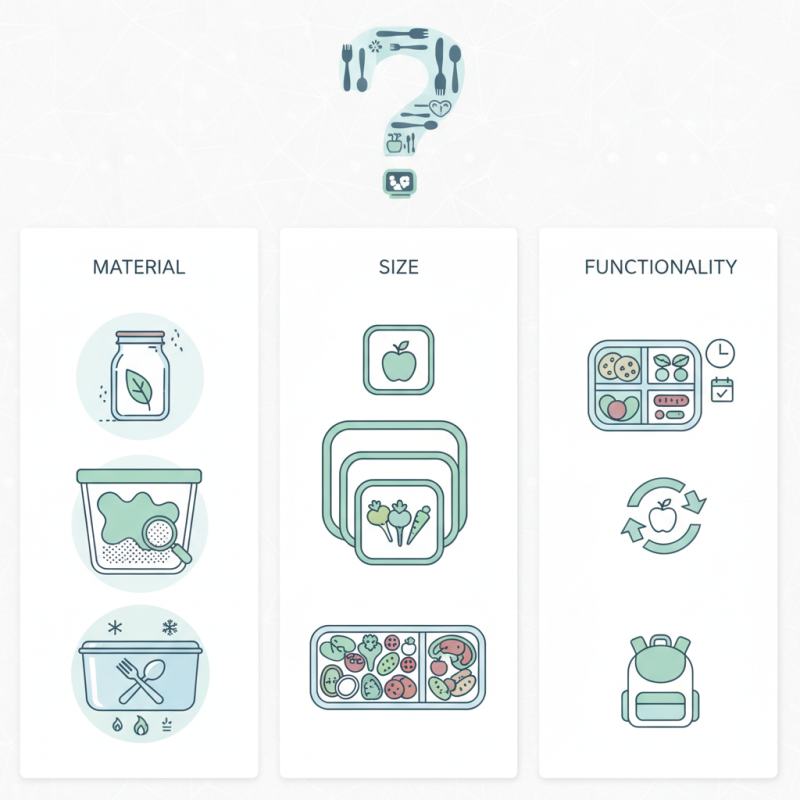
Choosing the right food container can significantly impact your food storage experience. It's essential to consider factors like material, size, and functionality. With so many options available, picking one might feel daunting.

Food containers come in various materials. Glass, plastic, and stainless steel each have unique benefits. For instance, glass is non-toxic and microwave-safe. However, it can be heavy and breakable. Plastic is lightweight and versatile but may harbor bacteria over time. Each option has pros and cons worth weighing.

Selecting a food container also depends on personal needs. Do you meal prep for the week or need something for lunch? The right container can enhance your cooking routine. Reflect on your habits, and consider trying out different types. The ideal food container should cater to your lifestyle.
What is the Best Food Container for Your Needs?

Understanding Different Types of Food Containers Available on the Market

When choosing food containers, it's crucial to understand the variety available in the market. They range from glass and plastic to stainless steel and silicone. Each material has its pros and cons. Glass containers are durable and microwave-safe, but they can be heavy. Plastic options are lightweight, making them easy to carry, but safety concerns can arise with certain types.

Consider how you plan to use these containers. For meal prep, look for stackable designs that save space. If you're storing liquids, choose leak-proof options. Many containers come with compartments, which can be useful for portioning meals. However, some designs may not be ideal for long-term storage due to wear and tear.

Reflect on your needs. Will you use them every day? Keep in mind that quality can vary significantly. Sometimes, spending a little more ensures you get a reliable product. The right food container can make a big difference in food preservation and convenience. However, it’s easy to get overwhelmed by choices. Take your time and evaluate what works best for your lifestyle.

Factors to Consider When Choosing a Food Container for Your Lifestyle

Choosing the right food container involves key factors tailored to your lifestyle. Optimal material is essential. Glass, for example, is durable and non-toxic but can be heavy. Plastic is lightweight but may not be as heat resistant. A 2021 survey indicated that 78% of consumers prefer glass containers for their ability to retain food quality over time.

Think about your storage needs. If you often meal prep, consider containers of various sizes. Stacking capabilities can save space. Data shows that 65% of families use multiple sizes to manage different portion needs. A tip: look for airtight containers to prevent spoilage, especially for dry goods.

Another factor is ease of cleaning. Some materials can stain or retain odors. A report from the Food Safety and Inspection Service highlights that plastic containers can accumulate bacteria if not cleaned properly. Choose containers that are dishwasher-safe for hassle-free maintenance. Remember, the best container balances safety, convenience, and suitability for your lifestyle.

Materials Used in Food Containers: Glass, Plastic, Metal, and Silicone

When choosing the right food container, the material plays a significant role. Glass containers are non-toxic and do not leach chemicals. They are perfect for both heating and storing food. However, glass can break easily. It's essential to handle them with care to prevent accidents.

Plastic containers are lightweight and versatile. They come in various sizes and shapes, making them convenient for meal prep. Not all plastics are created equal. Some can release harmful chemicals, especially when exposed to heat. Always check for BPA-free labels to ensure safety.

Metal containers, often made from stainless steel, are durable and resistant to staining. They can keep food hot or cold for longer periods. However, they can be heavier to carry. Silicone offers flexibility and is great for space-saving. It is generally safe and can withstand high temperatures. Still, some may worry about durability over time. Each material has its advantages and drawbacks, requiring thoughtful consideration based on individual needs.

The Role of Food Containers in Food Safety and Preservation Techniques

Food containers play a vital role in maintaining food safety and preserving freshness. Proper containers can prevent spoilage, reduce waste, and keep food safe for longer periods. Using the right materials, such as glass, stainless steel, or BPA-free plastic, can impact the quality of food stored.

Tips for choosing food containers include selecting airtight seals to block moisture and air. Choose containers that are easy to clean and dishwasher-safe for convenience. It's crucial to consider the size for efficient storage. Oversized containers can lead to wasted space, while too-small ones can squish food, reducing its longevity.

Reflect on the habits of food storage. Do you use containers that match your meal portions? Consider re-evaluating your choices. Inadequate seals or inappropriate sizes can lead to spoilage. Rethinking your storage solutions can greatly affect your food safety and waste reduction efforts. Selecting the best food container is not simply about appearance; functionality matters just as much.

Sustainable and Eco-Friendly Options for Food Storage Solutions

Choosing the right food container can greatly impact how you store and preserve your meals. Sustainable options are becoming increasingly popular, promoting eco-friendliness while ensuring your food stays fresh. Consider materials like glass or stainless steel. They are durable and recyclable, making them perfect for long-term use.

Tips: When selecting containers, think about your specific needs. Are you meal prepping? If so, opt for stackable containers that save space. For on-the-go meals, lightweight options are better. Glass containers have the added benefit of being microwave-safe.

Biodegradable containers are another option worth exploring. Made from materials like cornstarch, they break down naturally and leave a minimal ecological footprint. However, they may not be the best choice for long-term storage. Reflect on your habits before making a choice. Can you adapt?

Make sure to check the safety of your containers. Some plastics may contain harmful chemicals. Look for BPA-free options or choose glass to avoid health risks. In the end, remember that the best food container is one that aligns with your lifestyle and values. Think ahead about what truly meets your needs.

What is the Best Food Container for Your Needs? - Sustainable and Eco-Friendly Options for Food Storage Solutions

Container Type Material Sustainability Rating Best Use Price Range (USD)
Glass Jars Glass High Dry Food, Pantry Storage $15 - $25
Stainless Steel Containers Stainless Steel High Food Storage, On-the-Go $20 - $40
Bamboo Lunch Boxes Bamboo, Food-Grade Plastic Medium Lunch, Snacks $10 - $20
Silicone Bags Silicone High Leftovers, Snacks $8 - $15
Compostable Containers PLA, Starch Medium Takeout, Parties $5 - $10

FAQS

: What types of materials are commonly used for food containers?

: Common materials include glass, plastic, stainless steel, and silicone. Each has unique benefits and drawbacks.

Are glass containers heavy?

Yes, glass containers tend to be heavier than plastic options but are more durable.

What should I consider for meal prep containers?

Look for stackable designs to save space and containers with compartments for portioning meals.

Are biodegradable containers effective for long-term storage?

No, biodegradable containers, like those made from cornstarch, may not hold up for long-term use.

What important safety feature should I check in plastic containers?

Check for BPA-free labels to avoid harmful chemicals in certain plastics.

Can I use glass containers in the microwave?

Yes, many glass containers are microwave-safe, making them versatile for heating food.

How can I choose the best food container?

Reflect on your habits and needs. Make sure the container aligns with your lifestyle.

What’s a drawback of some food container designs?

Some designs might not be ideal for long-term storage due to wear and tear over time.

Conclusion

When choosing the best food container for your needs, it is essential to understand the different types available on the market, including options made from glass, plastic, metal, and silicone. Each material caters to varied preferences and usage scenarios, offering distinct advantages such as durability, weight, and preservation capabilities. Factors like your lifestyle, the intended use of the container, and your storage preferences play a crucial role in making an informed decision.

Food containers are not only vital for storing and organizing meals but also contribute significantly to food safety and preservation techniques. Selecting the right container can help maintain the freshness of your food while reducing waste. Additionally, there is a growing demand for sustainable and eco-friendly storage solutions, which promote environmental responsibility in everyday food management. By considering these aspects, you can find a food container that perfectly aligns with your lifestyle and culinary needs.


Sienna

Sienna

Sienna is a skilled marketing professional with a deep expertise in our company’s core products and services. With a passion for innovation and detail, she plays a pivotal role in crafting insightful blog posts that not only highlight the unique features of our offerings but also provide valuable......