The rising demand for plastic cups is a clear indication of evolving consumer habits and preferences. In the global market, particularly in China, plastic cups have become a staple item. According to recent market research, the plastic cup industry is projected to grow at a compound annual growth rate (CAGR) of approximately 4.5% over the next five years. This growth is driven by increasing disposable income and changing lifestyle trends that favor convenience.
Manufacturers are now focusing on innovative designs and eco-friendly materials. The emergence of biodegradable plastic cups is a significant step towards sustainability. However, not all global buyers are aware of these options. Many still opt for traditional plastic, leading to environmental concerns. Reports show that around 79% of plastic waste ends up in landfills or oceans. This raises questions about the long-term impacts of plastic cup usage.
To navigate the market successfully, buyers should consider quality, cost-effectiveness, and sustainability. The challenge lies in balancing short-term convenience with long-term environmental goals. Understanding these aspects is essential for buyers looking to make informed decisions. Ultimately, selecting the right plastic cups can contribute to overcoming pressing ecological challenges while catering to consumer needs.
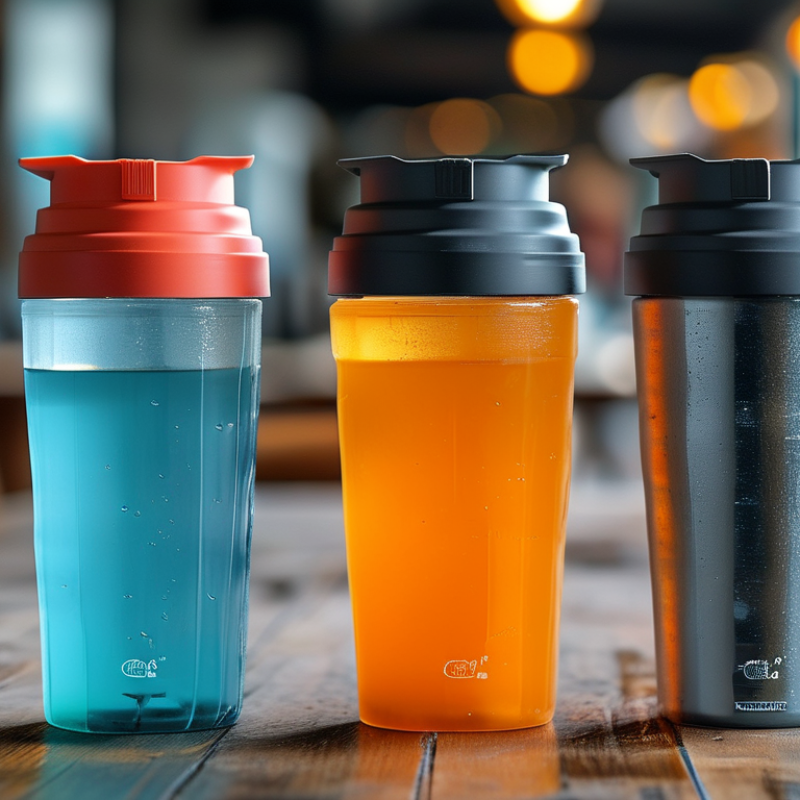
The plastic cups market in China is rapidly evolving. Growing consumer demand drives production expansion. Manufacturers are responding to trends, focusing on sustainability and health safety. Many new factories are emerging across the country, increasing competition. Yet, quality control remains a challenge. Some manufacturers still struggle to meet international standards.
Consumers are becoming more discerning. There is a rising preference for BPA-free and eco-friendly options. These choices reflect a broader concern for health and the environment. However, misinformation about what constitutes a safe product can mislead buyers. It’s essential to understand the differences between various types of plastics used.
Market fluctuations also impact pricing. Cheap imports can saturate the market, affecting local producers. This raises questions about long-term sustainability practices. Companies must balance cost with quality to retain consumer trust. Transparency in sourcing materials can enhance credibility. However, the journey towards a fully transparent supply chain is still ongoing.
When choosing plastic cups, several key features come into play. Material quality is essential for durability. Look for cups made from food-grade plastic. This ensures safety for all drink types. Thickness matters too. Thicker cups tend to withstand pressure and minimize cracking.
Consider the cup's design. A well-designed rim enhances the drinking experience. Cups that don’t easily tip over are preferable for events. Capacity is another factor. Standard sizes like 9 oz or 16 oz serve different needs. Always think about how many cups you’ll need for larger gatherings.
Finally, think about eco-friendliness. Some manufacturers offer recyclable options. However, not all labeled products are reliable. Research is vital to avoid misleading claims. Pay attention to reviews and specifications. Embracing quality materials and thoughtful design can lead to a better buying decision.
This chart illustrates key features considered for selecting the best plastic cups available in China. The ratings indicate the importance and quality of various attributes such as capacity, material quality, price, weight, and eco-friendliness on a scale from 1 to 10.
When searching for plastic cups, buyers often consider a few key factors. Manufacturers in China are becoming essential partners for global buyers. Many facilities produce a variety of plastic cups, catering to different markets. The most popular types include disposable cups, reusable options, and custom designs. Each type serves unique needs, especially in parties, events, or everyday use.
Finding the right supplier takes time and effort. Researching manufacturers is crucial. Many suppliers offer low prices, but quality may vary greatly. It's vital to assess their production processes. Checking certifications can ensure compliance with safety standards. Not all manufacturers provide detailed information upfront. Transparency in operations is a good sign. Customer reviews can also give insight into reliability.
Potential issues can arise with international shipping. Delays are common and can affect business timelines. Communication barriers might complicate order details. Building a good relationship with suppliers can help mitigate these problems. It’s worth investing time in establishing these connections. With careful consideration, global buyers can find trustworthy manufacturers in China for their plastic cup needs.
When considering plastic cups available in China, buyers face various options. The market offers a range of designs, sizes, and materials. Standard disposable cups are lightweight and cost-effective, ideal for parties and events. Their affordability makes them popular, yet they create significant waste. Many users question their environmental impact, prompting a shift towards reusable alternatives.
Reusable plastic cups are another option. These cups provide durability and can be washed and used multiple times. They come in various colors and designs, appealing to different preferences. However, some users find them bulkier, which can be a drawback for travel. Additionally, price points vary widely, affecting purchasing decisions.
Both types of cups serve specific purposes, yet neither is perfect. Disposable cups offer convenience but contribute to waste. In contrast, reusable cups encourage sustainability but may require more effort to maintain. Understanding these trade-offs helps buyers make informed choices while navigating the diverse landscape of plastic cup options in China.
China is a key player in the global plastic cup market. Understanding local quality standards and regulations is essential for buyers. The country adheres to strict guidelines to ensure safety and environmental protection. The GB standards specifically address materials used in production. These standards monitor various factors, including chemical composition and safety.
Plastic cups in China must meet rigorous testing procedures. This includes assessments for harmful substances such as BPA and phthalates. Buyers should request documentation proving compliance with local regulations. Failure to do so could lead to serious health risks for consumers. Despite being widely used, not all products meet these crucial safety measures.
Sustainability is also a rising concern. The push for eco-friendly materials is changing the landscape for plastic products. Buyers might face challenges in sourcing such items, as not every manufacturer has adapted. Staying informed about evolving standards is crucial. This allows buyers to make responsible choices that align with both safety and environmental values.
| Cup Type | Material | Capacity (ml) | Color Options | Compliance Standards |
|---|---|---|---|---|
| Disposable Cup | PP (Polypropylene) | 200 | Clear, Red, Blue | FDA, ISO |
| Reusable Cup | PC (Polycarbonate) | 300 | Transparent, Frosted | LFGB, BPA-Free |
| Eco-Friendly Cup | PLA (Polylactic Acid) | 250 | Natural, Green | EN 13432 |
| Child-Safe Cup | Tritan | 150 | Pink, Yellow, Blue | CPSIA, ASTM |
: Buyers can choose from disposable and reusable plastic cups, each with unique features.
They are lightweight and cost-effective, ideal for parties and gatherings.
They create significant waste, raising environmental concerns among users.
Reusable cups are durable and can be washed but may be bulkier for travel.
China follows strict guidelines ensuring safety and environmental protection for plastic products.
Non-compliance with safety standards can lead to health risks for consumers.
They are tested for harmful substances like BPA and phthalates to ensure consumer safety.
There is a growing demand for eco-friendly materials to reduce environmental impact.
Not all manufacturers have adapted to eco-friendly practices, complicating sourcing.
Understanding trade-offs between convenience and sustainability is essential for responsible decisions.
The plastic cups market in China has seen significant growth, driven by the increasing demand for disposable and reusable options across various sectors. When choosing plastic cups, buyers should consider key features such as size, durability, and material safety. The market offers a wide range of types, including rigid and flexible cups, each catering to different consumer needs and preferences.
Additionally, understanding the quality standards and regulations governing plastic cups in China is crucial for ensuring compliance and safety. This overview of the plastic cups landscape emphasizes the importance of selecting the right suppliers and manufacturers to meet diverse market demands and maintain high-quality production.

Dadi Plastic