As global interest in sustainability rises, the market for Plastic Food Containers is evolving. According to a recent industry report by Grand View Research, the plastic food container market is expected to exceed $34 billion by 2026. This growth underscores the increasing reliance on these containers for food storage, meal prep, and takeaway services.
However, not all plastic containers are created equal. Different materials, such as polypropylene and polyethylene, cater to varied consumer needs. Some innovations improve recyclability, but concerns about environmental impact remain. Experts argue that while convenient, the long-term effects of plastic waste cannot be ignored.
Moreover, customers are becoming more discerning. They seek versatile, microwave-safe, and durable options that maintain food quality. In this competitive landscape, understanding global buyer preferences is crucial for manufacturers. Striking a balance between functionality and sustainability is an ongoing challenge for the industry.
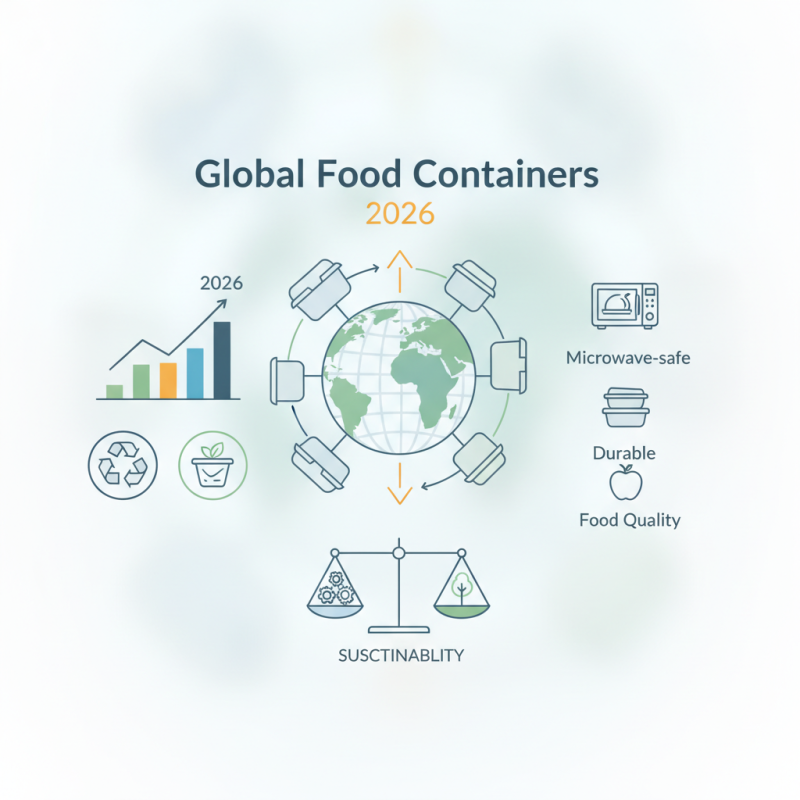
The rise of plastic food containers is transforming global food storage practices. As more people prioritize convenience, these containers offer practical solutions. They enable safe, effective storage for various food items. The lightweight nature of plastic makes them easy to transport and use in diverse settings, from homes to picnics.
However, concerns about environmental impact persist. Many plastics are not biodegradable. This leads to significant waste issues. Recycling rates remain low in many areas. Consumers face a dilemma: prioritize convenience or consider ecological consequences.
Innovations in sustainable materials emerge. Some manufacturers explore bio-based plastics. These alternatives may offer better environmental profiles. Yet, awareness must increase. Many are unaware that plastic choices affect the planet. Education on responsible usage is critical. The balance between functionality and sustainability needs continued reflection.
Choosing the right plastic food container in 2026 involves several key features. First, consider the material. Polypropylene (PP) and polyethylene terephthalate (PET) are popular for their durability and resistance to temperature changes. According to a report by the Food Packaging Forum, over 65% of consumers prefer containers that can withstand high heat for microwave use and freezer storage.
Next, think about the size and shape. Containers that feature stackable designs save space in kitchens and refrigerators. Studies from the National Institute of Health show that 72% of consumers value space-saving designs. These containers enhance organization and help minimize food waste, a concern highlighted by the Food and Agriculture Organization, stating that 1/3 of food produced is wasted globally.
Additionally, lids matter. Secure-fitting lids are essential for maintaining freshness and preventing spills. In a survey conducted by Statista, 58% of participants indicated that leaks led to dissatisfaction with their food storage containers. Opt for BPA-free options to ensure safety, especially for children. This attention to detail can lead to a more sustainable and efficient kitchen environment.
Sustainability is a key factor driving the plastic food container market in 2026. More consumers are becoming aware of environmental issues. They seek eco-friendly alternatives that reduce plastic waste. Companies must adapt to these changing preferences to remain relevant. Biodegradable options and recyclable materials are gaining traction. This demand affects manufacturing processes.
Many brands face challenges sourcing sustainable materials. The shift requires innovation and investment in new technologies. Traditional plastic production methods may not suffice anymore. There’s a need for transparency in sourcing and manufacturing. Customers are increasingly asking about a product’s lifecycle and environmental impact.
This shift towards sustainability is complicated. Not every biodegradable option is effective. Some materials may not break down as advertised. Companies need to actively engage in research and development. Educating consumers about proper disposal is crucial. Achieving a balance between functionality and environmental responsibility is an ongoing challenge.
In 2026, the plastic food container market is set to be highly competitive. Various manufacturers are pushing quality and innovation. They focus on creating containers that are not only durable but also eco-friendly. Using advanced materials, these companies are responding to consumer demands for sustainability. It's essential to consider the design and functionality of these products.
Top brands are developing containers with smart features. These include airtight seals and modular designs that save space. Some containers even have built-in sensors to indicate freshness. However, not all manufacturers prioritize these innovations. Some focus solely on cost-cutting measures, potentially sacrificing quality. This raises questions about product longevity and safety.
Buyers should remain cautious. Researching each brand’s reputation is vital. Reading reviews can provide insight into performance and reliability. It's also advisable to check if the products meet safety standards. Finding a balance between price and quality can be challenging. However, informed choices lead to better purchasing decisions in the long run.
| Container Type | Material | Capacity (L) | Sizes Available (cm) | Dishwasher Safe | BPA-Free | Price Range ($) |
|---|---|---|---|---|---|---|
| Square Container | PP (Polypropylene) | 1.5 | 20 x 20 | Yes | Yes | 5 - 10 |
| Round Container | PET (Polyethylene Terephthalate) | 2.0 | 15 Ø | Yes | Yes | 7 - 12 |
| Stackable Container | HDPE (High-Density Polyethylene) | 3.0 | 25 x 25 | Yes | Yes | 8 - 15 |
| Multi-Compartment Container | PP (Polypropylene) | 1.8 | 23 x 15 | Yes | Yes | 6 - 11 |
In 2026, global consumer behavior regarding food storage is poised for transformation. Consumers are increasingly prioritizing
sustainability in their food container choices. According to a recent industry report, 70% of buyers prefer
containers made from recyclable materials. This shift highlights a growing awareness of environmental impact.
Many users now seek multifunctional containers. The same report reveals that 48% of consumers want containers that offer both
storage and easy reheating options. This demand indicates a trend toward practicality and convenience in kitchen tools. However, not all containers meet these needs seamlessly,
leading to a mixed user experience. Feedback often points to challenges in sealing and durability.
Tips: Look for containers with clear labeling on material types. This helps ensure they align with your sustainability goals.
When selecting a container, consider its intended use. Versatile designs can often save money and reduce clutter. Remember, just because a container
is popular doesn't mean it will fit your lifestyle perfectly. Always review customer feedback before making a purchase.
: They are lightweight and practical for transporting food. They provide effective storage for various food items.
Many plastics are non-biodegradable, leading to waste issues. Recycling rates are low, making ecological consequences worrisome.
Consider the material, size, shape, and lid fit. Durable materials are essential for effective storage and convenience.
Polypropylene (PP) and polyethylene terephthalate (PET) are popular. They resist temperature changes well.
Stackable designs save space in kitchens. They help with organization and minimize food waste effectively.
Look for secure-fitting lids to prevent spills. Choosing BPA-free options is crucial for safety, especially for kids.
Yes, some containers have airtight seals and built-in freshness sensors. However, not all brands focus on these advancements.
Some manufacturers prioritize cost over quality. Researching brands and reading reviews can prevent poor purchasing decisions.
Yes, many are beginning to recognize how their choices affect the environment. Awareness and education on this topic are critical.
It can be hard to find a balance between price and quality. Informed decisions often lead to better long-term choices.
The article "Best Plastic Food Container for Global Buyers in 2026" explores the growing significance of plastic food containers in today’s market. It discusses the rise of these containers from a global perspective, highlighting key features that consumers should consider when choosing the right product. With an increasing focus on sustainability, the article examines trends that are influencing buyer decisions, showcasing a shift towards eco-friendly materials and practices within the plastic food container industry.
Additionally, insights into consumer preferences reveal how global buyer behavior is evolving in relation to food storage solutions. As manufacturers adapt to meet these demands, understanding the market dynamics and consumer needs will be vital for those seeking the best plastic food container options in 2026.

Dadi Plastic