Choosing the right school food container for kids' lunches can feel overwhelming. Emily Rizzo, a nutrition expert and author, states, “A good school food container makes healthy eating fun and accessible for children.” Selecting the ideal container involves understanding your child's needs and preferences.
Many factors influence this choice. Durability, size, and ease of use are critical. However, parents often overlook how appealing the design can be. Kids are more likely to enjoy their meals if their container looks fun. An eye-catching container can encourage healthy eating habits.
It’s noteworthy that some containers may not hold up well over time. Parents should ensure that their choices are reliable and easy to clean. Reflecting on personal experiences can help refine the decision-making process. Remember, a school food container should serve its purpose effectively.
Types of School Food Containers Available for Kids' Lunches
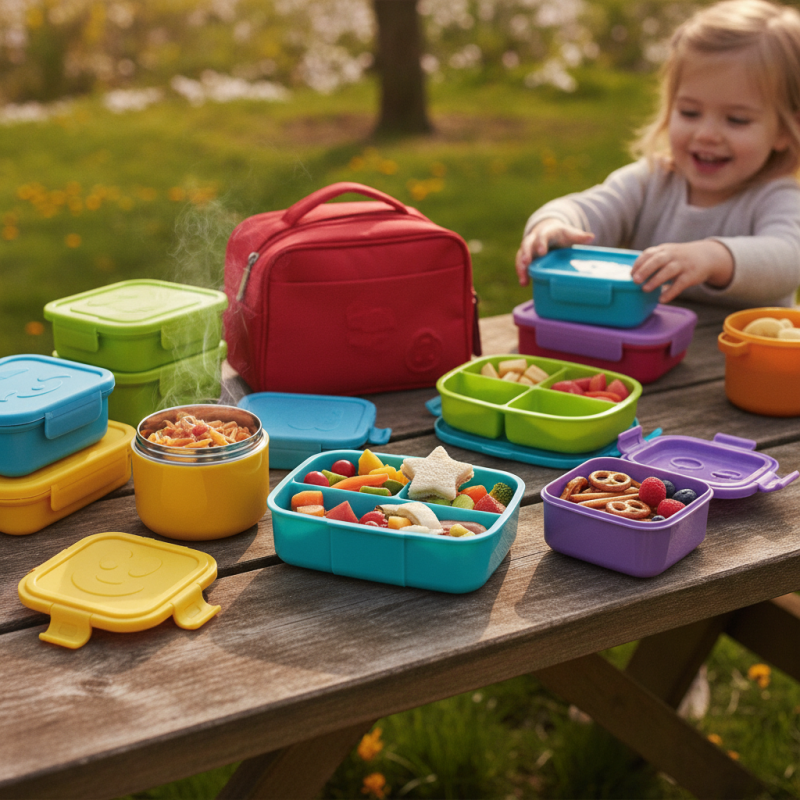
When it comes to packing healthy lunches for kids, the choice of containers is crucial. There are several types of school food containers available, each catering to different needs. For example, bento boxes are popular for portion control. They encourage kids to try various foods by keeping them separated. These boxes often come with multiple compartments. This feature can help maintain a balanced meal.
Another option includes
insulated containers, which keep food hot or cold for hours. They are ideal for soups or stews. Using insulated containers can mean fewer worries about food safety. However, they can be bulky and heavy, which some kids might struggle to carry. It's essential to consider the
age of the child when selecting this type.
Reusable
snack bags offer convenience for smaller items. They are
lightweight and easy to clean, making them a practical choice. However, some parents worry about the materials used in these bags. Checking for
food-safe certifications can alleviate some concerns. Finding the right container requires balancing
practicality with your child’s preferences.
Factors to Consider When Choosing Food Containers for Kids
When selecting food containers for kids, several factors are essential to ensure their suitability and safety. First, consider the material. Look for BPA-free plastic or stainless steel options. These materials are safer for food storage. Avoid containers made from harmful substances. Confirm that the containers are dishwasher and microwave safe. This convenience helps busy families save time.
Size and shape matter, too. Different ages and appetites require various container capacities. Small, compartmentalized containers can keep different food types separate. Some designs are easier for little hands to open. Pay attention to the lid style. A secure lid prevents spills and maintains freshness, but it shouldn't be too difficult to use for kids.
Durability is essential for active children. Containers should withstand drops and rough handling. Check user reviews for insights into real-life usage. Flexibility is valuable; some containers can transition from school lunches to picnics. Remember to reflect on your child’s preferences. Engaging them in the selection process can encourage them to eat healthier.
Top Features of the Best School Food Containers
When choosing the best food containers for kids' lunches, several features stand out.
Durability matters. Containers should withstand rough handling in backpacks. Look for designs made of sturdy materials to avoid cracks or breaks.
Lightweight options are essential for younger children. They help kids carry lunch easily, ensuring more enjoyment during meal times.
Leak-proof seals are crucial. They prevent spills and messes. A well-designed lid keeps food fresh and safe. Easy-to-open mechanisms also encourage independence. Kids can access their food without frustration. Additionally, containers should be dishwasher safe for simple cleanup.
Size options contribute to flexibility. Different compartments allow packing a variety of foods. This prevents the monotony of daily lunches.
It's worth considering that some containers may not fully meet your needs. Parents often find leaks can still happen with cheaper models. Evaluating user reviews can provide insight into real-world performance.
Comparative Analysis of Popular Brands in Kids’ Lunch Containers
When choosing the best lunch containers for kids, it's essential to consider various factors. A recent study indicated that 55% of parents look for durability and leak-proof features. Children can be rough with their belongings, and a quality container needs to withstand daily wear and tear. Many options available today meet these criteria, but not every container is perfect.
According to industry reports, 70% of parents prioritize materials that are BPA-free. This is crucial for ensuring children's safety while eating. However, some containers on the market may still contain harmful substances. It's vital to research and read labels cautiously. Furthermore, 40% of parents express concerns about the ease of cleaning. A container that is dishwasher safe simplifies this task, but exceptions exist, and not all products are easy to maintain.
The variety of sizes and compartmental options can be overwhelming. While customization is popular, 30% of parents mention that too many choices lead to confusion. Some containers are designed for specific meal portions, which could waste food. This reflection highlights the need for products that are functional yet flexible. Ultimately, ensuring the best option means balancing quality with practicality in the chaotic environment of packing kids’ lunches.
Best School Food Containers for Kids Lunches
Tips for Maintaining and Cleaning Kids' Lunch Containers
When selecting lunch containers for children, proper maintenance and cleaning are often overlooked. According to a study by the National Sanitation Foundation, lunch containers can harbor harmful bacteria if not cleaned properly. It is recommended to wash these containers after every use to prevent contamination. A simple soap and water solution can effectively sanitize most containers.
Using warm, soapy water is essential. Pay attention to crevices and seals where food particles can hide. Some containers can go into the dishwasher, but always check the manufacturer’s instructions for guidelines. Regularly inspect for wear and tear; cracked containers can harbor germs. In fact, nearly 30% of parents admit to not cleaning their children's lunchboxes thoroughly.
Drying is just as critical as washing. Allow containers to air dry completely to inhibit mold growth. For stubborn stains, a mixture of baking soda and vinegar works wonders. Additionally, some food can leave persistent odors. A mint leaf placed inside can help freshen up the container naturally. While habits are hard to change, consider setting a reminder for cleaning routines to establish long-term health habits in your family.
Best School Food Containers for Kids Lunches - Comparison Table
| Container Type |
Material |
Capacity |
Leak-Proof |
Dishwasher Safe |
Price Range |
| Bento Box |
Plastic |
800 ml |
Yes |
Yes |
$10 - $20 |
| Thermal Container |
Stainless Steel |
500 ml |
Yes |
No |
$15 - $30 |
| Snack Container |
Plastic |
300 ml |
Yes |
Yes |
$5 - $10 |
| Lunch Bag |
Nylon |
Varied |
N/A |
Yes |
$20 - $40 |
| Reusable Snack Bags |
Silicone |
Varied |
Yes |
Yes |
$10 - $25 |
Conclusion
When it comes to packing nutritious lunches for kids, choosing the right school food container is critical. There are various types available, such as bento boxes, insulated containers, and eco-friendly options, each catering to different needs and preferences. Factors to consider include size, material, leak-proof capabilities, and ease of cleaning. The best school food containers often feature compartments for portion control, durability for everyday use, and designs that make them appealing to children.
In assessing popular school food container options, it's essential to compare their features, such as insulation effectiveness and child-friendly designs. Additionally, tips for maintaining these containers emphasize the importance of regular cleaning and proper storage to ensure longevity. By carefully evaluating these aspects, parents can make informed choices that not only meet their kids' lunchtime needs but also promote healthy eating habits.

 Dadi Plastic