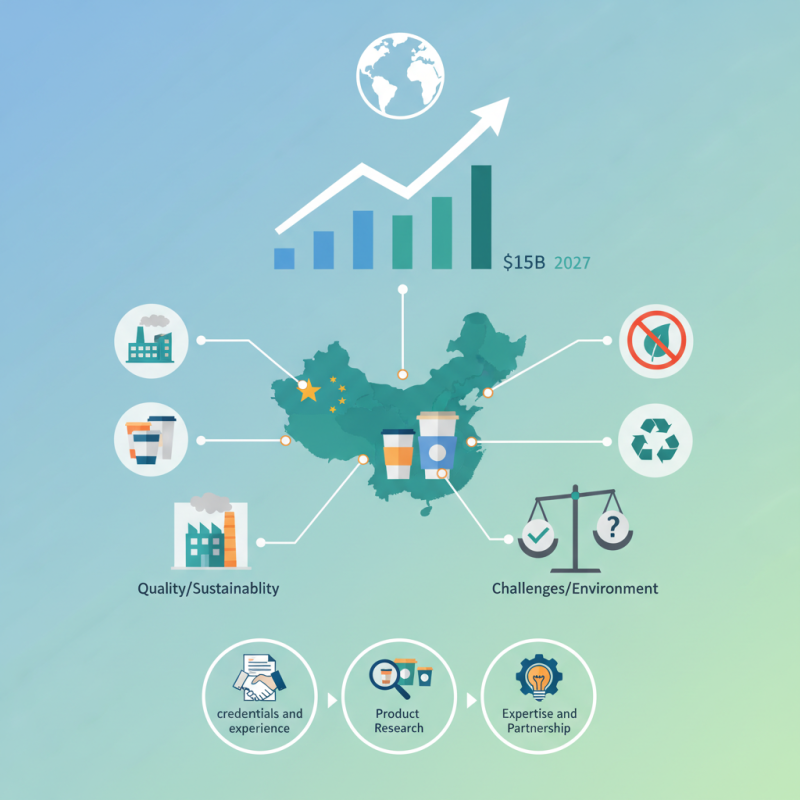
The global plastic cup market is witnessing remarkable growth. According to a report by MarketsandMarkets, the market is projected to reach approximately $15 billion by 2027. Increasing demand from various sectors drives this expansion. From events to everyday consumption, plastic cups play a vital role in our daily lives.
China stands out as a key player in the plastic cup supply industry. The country is home to numerous suppliers offering a wide range of products. Many manufacturers emphasize quality and sustainability. However, the industry faces challenges, such as recycling issues. This raises questions about the environmental impact of plastic use.
When choosing a supplier, it's important to evaluate their credentials. Trusted suppliers should demonstrate experience and commitment to quality. Researching their product offerings can yield insights into their reliability. The ideal partner will provide not just products, but also valuable expertise in the plastic cup market.
China's plastic cup industry has grown significantly in recent years. The demand for affordable and diverse products has increased. This trend reflects a shift towards convenience in consumer behavior. Today, plastic cups are widely used for beverages, events, and food service.
The market is competitive, with numerous suppliers emerging. Many manufacturers focus on eco-friendly materials. However, sustainability practices are often inconsistent. This inconsistency signifies a need for improvement. Buyers should research suppliers thoroughly. Evaluating their standards and certifications can be challenging. But it's crucial for ensuring product quality and safety.
Current trends indicate a rise in customization options. Clients seek unique designs for branding. This creates an opportunity for suppliers to innovate. However, some still rely on outdated practices. Staying updated with market shifts can be a struggle. As the industry evolves, constant learning becomes essential for success.
China's plastic cup manufacturing sector is booming. Recent data indicates that the market size for plastic cups in China exceeds $10 billion. Key players are ramping up production to meet growing global demands. The industry has seen a shift towards eco-friendly materials, driven by consumer awareness. Many manufacturers are investing in sustainable practices to reduce waste.
When sourcing plastic cups, consider specific needs. Look for suppliers with diverse product ranges, including biodegradable options. Also, evaluate their production capacity and lead times. Some manufacturers still face challenges in quality control. It’s essential to check certifications and reviews before making commitments.
Tips: Always ask for samples. This helps in assessing quality firsthand. Monitor industry reports for pricing trends. Many factors can affect costs, such as raw material prices. Understanding the market landscape aids in making informed decisions.
When selecting plastic cup suppliers in China, quality standards and certifications play a pivotal role. Understanding these standards helps ensure that products meet safety and performance requirements. Many suppliers obtain ISO certifications. These certifications demonstrate a commitment to quality management and product safety.
For food-grade plastic cups, compliance with FDA or EU regulations is essential. Such regulations assess the safety of materials in contact with food. Reliable suppliers often provide documentation to prove compliance. This transparency builds trust with potential buyers. However, not all suppliers adhere to these regulations consistently, which can be concerning.
Furthermore, third-party testing can strengthen a supplier’s credibility. Samples submitted for independent evaluation help guarantee that the cups are free from harmful substances. It is vital to request this information before making a purchase. A lack of certifications or testing can signal potential issues, making due diligence critical. Trust your instincts, and always verify credentials.
When looking to source plastic cups wholesale from China, it's essential to understand pricing strategies and cost structures. Manufacturers in China often set competitive prices by optimizing production processes. They benefit from lower labor costs and economies of scale, which can result in significant savings for buyers. However, prices can vary widely depending on order volume, materials used, and customization options.
Wholesale pricing can be influenced by various factors. For instance, lower volumes may incur higher per-unit costs. Additionally, if you are looking for eco-friendly materials, expect prices to rise. Transparency in pricing is crucial for building trust with suppliers. It’s essential to assess not only the price but also the quality offered. During negotiations, discussing specific requirements can help in securing better deals.
Sometimes, the cheapest option is not the best. Quality issues or hidden costs may arise later. It is wise to request samples before making bulk purchases. Engaging in dialogue with suppliers helps in understanding their capabilities and limitations. Miscommunications can lead to misunderstandings about pricing and expectations. Thus, fostering a culture of clear communication is vital for long-term partnerships.
In recent years, the plastic industry has faced increasing pressure to adopt sustainable practices. Many suppliers are now focusing on innovations that reduce waste and environmental impact. For instance, some companies are using biodegradable materials for their plastic cups. This shift not only caters to eco-conscious consumers but also aligns with global sustainability goals.
Tips: Always look for suppliers who share a commitment to sustainability. Check their production methods and materials used.
Recycling is another critical area of innovation. Suppliers are now developing cups that can be recycled more efficiently. They are also engaging in closed-loop systems, which help minimize waste. This approach not only conserves resources but also empowers customers to make responsible choices.
Tips: Ask about the recycling protocols of potential suppliers. Understanding their recycling capabilities can help in making informed wholesale decisions.
While these practices are promising, challenges remain. Not all suppliers can guarantee completely sustainable products. Quality and cost are often factors that can’t be ignored. It’s essential to evaluate the trade-offs between sustainability and other requirements when choosing a supplier.
| Supplier Region | Annual Capacity (Million Units) | Sustainable Practices | Innovations in Production |
|---|---|---|---|
| Eastern China | 150 | Biodegradable materials | Injection molding technology |
| Southern China | 200 | Recycled PET usage | 3D printing for prototypes |
| Northern China | 120 | Solar-powered factories | Smart manufacturing |
| Western China | 80 | Water-saving technologies | Automation in quality control |
: The market size exceeds $10 billion.
Consumer awareness is driving the shift towards sustainability.
Evaluate supplier ranges, production capacity, and lead times.
Some manufacturers face challenges, affecting product reliability.
Look for ISO certifications and compliance with FDA or EU regulations.
Request documentation and third-party testing results.
Order volume, materials used, and customization choices influence prices.
No, cheap options may have hidden costs or quality issues.
Transparency in pricing and clear communication are essential.
Always request samples to assess quality first.
China's plastic cup industry is a dynamic sector characterized by impressive growth and evolving market trends. The country has become a global hub for plastic cup manufacturing, with numerous key players competing in this space. These manufacturers adhere to stringent quality standards and certifications to ensure the safety and reliability of their products. Pricing strategies in the wholesale market reflect various factors, including production costs and global demand, allowing suppliers to remain competitive.
Furthermore, sustainable practices are increasingly becoming a priority in plastic cup production. Many manufacturers are innovating their processes to minimize environmental impact, thereby promoting eco-friendly alternatives in their product lines. As the demand for plastic cups continues to rise, suppliers in China are well-positioned to meet wholesale needs while fostering sustainability and quality in their offerings.

Dadi Plastic