Choosing the right sprayer bottle can significantly impact your daily tasks. A good sprayer bottle is essential for various applications, from gardening to cleaning. Its effectiveness relies on the design and functionality that meet your specific needs.
The market offers a wide range of options, each with unique features. Some bottles may leak, while others lack the necessary spray pattern. Finding a reliable sprayer bottle requires understanding your requirements. Consider factors like size, nozzle type, and material.
Remember, the best sprayer bottle enhances efficiency and satisfaction. It should not just be about appearance. Durability and ease of use are key. Take time to reflect on your choices. A well-chosen sprayer bottle can save time and effort in the long run.
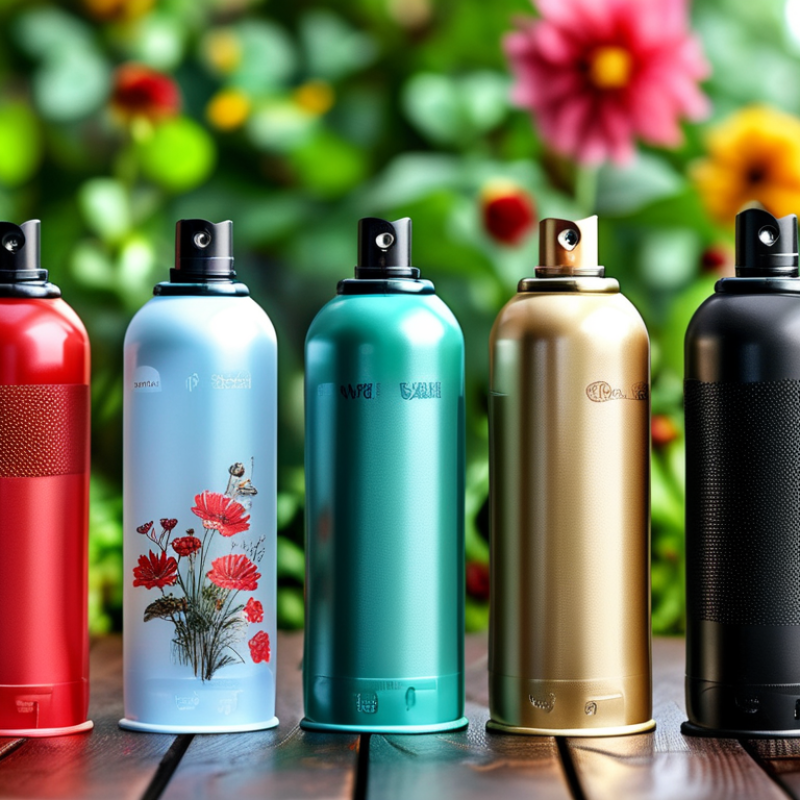
When selecting a sprayer bottle, understanding the types available is essential. Different materials, such as plastic and glass, offer unique benefits. Plastic bottles are lightweight and resistant to shattering. Glass, on the other hand, is often deemed more durable in terms of chemical resistance. For instance, according to research, nearly 40% of consumers prefer plastic for everyday use due to its portability and cost-effectiveness.
Choosing between manual and automatic sprayers also impacts user experience. Manual models require more physical effort but are often praised for their control. Automatic sprayers deliver a uniform mist, but some users find them less reliable. Reports indicate that around 50% of gardeners prefer manual options for precision spraying. This highlights the importance of knowing your intended use.
Moreover, spray patterns can vary significantly across different models. Some offer a fine mist, while others provide a concentrated stream. Users should consider their specific needs, such as plant care or cleaning, when making a choice. However, finding the right pattern might involve trial and error. Many users report initial dissatisfaction before discovering what truly works for them. Such reflections often lead to better decisions over time.
| Type | Best For | Capacity (ml) | Material | Spray Pattern |
|---|---|---|---|---|
| Trigger Sprayer | General Cleaning | 500 | Plastic | Stream & Mist |
| Foam Sprayers | Car Cleaning | 1000 | Metal & Plastic | Foam |
| Garden Sprayers | Gardening | 2000 | Plastic | Adjustable |
| Mist Sprayers | Houseplants | 300 | Glass | Fine Mist |
| Pump Sprayers | Pesticides | 1500 | Plastic | Cone Spray |
: The two main materials are plastic and glass. Plastic is lightweight and shatter-resistant. Glass offers better chemical resistance.
Nearly 40% of consumers prefer plastic for its portability and cost-effectiveness. It’s a practical choice for everyday use.
Manual sprayers require physical effort but allow more control. Automatic sprayers provide a uniform mist, though they may be less reliable.
Some models provide a fine mist, while others deliver a concentrated stream. The right choice depends on your specific needs.
Consider material durability, design, and intended use. Each factor has pros and cons that may affect your overall experience.
Yes, 80% of users prefer bottles with comfortable grips over standard designs. Ergonomics can significantly enhance usability.
Glass bottles have a premium feel and resist odors, but they can be fragile. Weigh aesthetics against practicality in your decision.
Finding the right pattern may take some trial and error. Many users report initial dissatisfaction before discovering effective options.
Think about durability, design, and usability. How do these factors match your specific requirements? Reflecting helps in making better choices.
Yes, while sleek designs may be visually appealing, they might compromise functionality. It’s essential to consider efficiency alongside attractiveness.
When selecting a sprayer bottle, it's crucial to understand the various types available on the market, as each is designed for specific uses. Key features to consider include nozzle adjustments, capacity, and ease of cleaning, which can significantly impact the usability of the sprayer bottle. Assessing your specific needs, such as whether you require a bottle for gardening, cleaning, or personal care, will aid in making the best choice.
Moreover, comparing the durability and design of materials is vital, as this affects the longevity and effectiveness of the sprayer bottle. To prolong its lifespan, regular maintenance is essential; this includes cleaning the nozzle and body after use to prevent clogging and buildup. By carefully considering these factors, you can select a sprayer bottle that perfectly meets your requirements.

 Dadi Plastic