Choosing the right Lunch Box in 2026 involves more than picking a stylish color. Daily routines have changed, with commuters, students, and remote workers needing flexible food storage. A reliable design should protect meals, prevent leaks, and remain comfortable inside a crowded bag. Small details matter. A strong seal, rounded corners, and a stable base can prevent unpleasant surprises during travel.
My experience with lunch containers has taught me that appearance can be misleading. Some attractive boxes stain quickly, while others trap moisture around the lid. I now check hinge strength, gasket quality, insulation performance, and cleaning access before judging a product. Materials also deserve attention. Reputable manufacturers should clearly identify food-contact materials and provide practical care instructions. Independent testing, transparent product information, and consistent customer feedback offer useful evidence. Still, no Lunch Box suits everyone.
A warm meal may require insulated walls, while a fresh salad needs ventilation and enough separation. Families may value generous capacity, but a large container can become heavy after filling. Compact boxes often look convenient, yet their narrow corners can waste space. That trade-off deserves honest consideration. I have occasionally chosen a box that seemed perfect online and regretted its awkward latch later. Real use reveals flaws.
This guide examines capacity, durability, leak resistance, cleaning, insulation, portability, and value. It also considers lower-waste choices and realistic daily habits. The best option is not always the most expensive one. It is the box that performs reliably for your meals, schedule, and hands. Think carefully. Small choices shape everyday comfort.
Understanding Lunch Box Types and Their Intended Uses
How to Choose the Best Lunch Box in 2026?
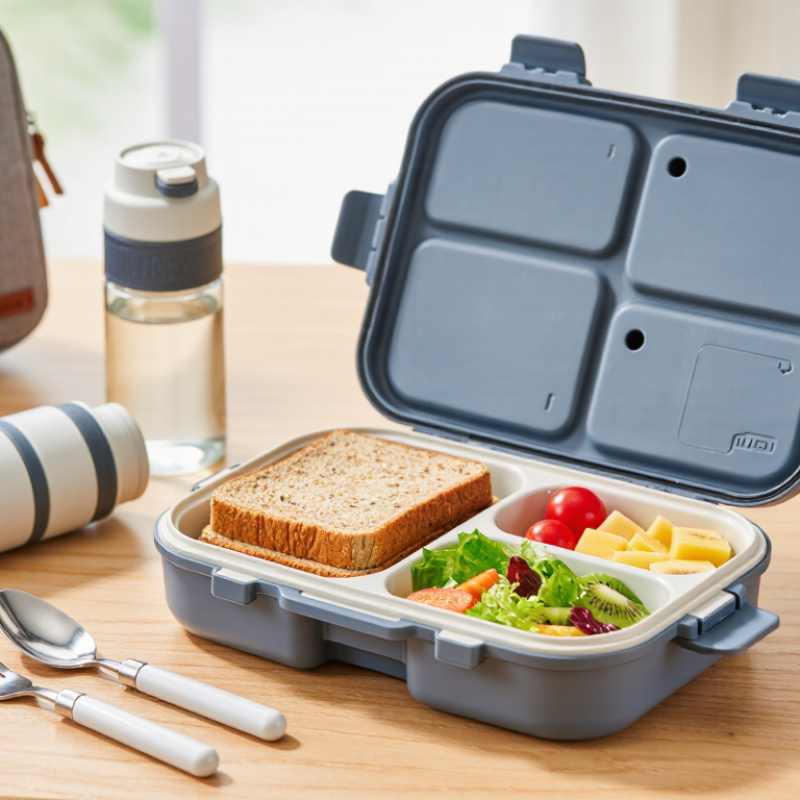
Lunch boxes are not interchangeable. A soft insulated carrier suits commuters carrying sandwiches, fruit, and a chilled drink. A rigid compartment box works better for separated meals, especially when sauces could leak. For soup, choose a wide-mouth container with a secure seal. It needs upright storage. Nothing fancy.
Grand View Research estimates the global lunch box market will grow at about 6.6% annually from 2024 to 2030. This growth reflects demand for reusable, portable meal storage, but market growth does not make every design practical. My own test is simple: fill the box, place it inside a work bag, and shake it gently. A beautiful container that leaks once becomes an expensive lesson. Check hinge strength, gasket quality, ventilation, and whether each part can be washed thoroughly.
Food safety should guide the intended use. The United States Department of Agriculture advises discarding perishable food left above 40°F for more than two hours, or one hour above 90°F. Therefore, an insulated box may need an ice pack for yogurt, eggs, meat, or cooked rice. A basic bento box is suitable for short trips, but not necessarily a full summer commute. Material claims also deserve skepticism. Stainless steel can resist odors, while plastic may be lighter and more transparent. Neither option eliminates cleaning. Wash the lid grooves carefully. Small corners often hold yesterday’s lunch.
Comparing Materials, Insulation, Capacity, and Food Safety
How to Choose the Best Lunch Box in 2026?
Material affects durability, cleaning, and food safety. Stainless steel resists stains and odors, but it may not work in a microwave. Glass keeps flavors neutral and shows portion sizes clearly. However, it can feel heavy and break when dropped. Food-grade plastic is lighter, though scratches can hold residue over time. I once chose a large plastic box for convenience, then noticed its lid absorbed curry smells. Small details matter.
Insulation protects temperature, not food quality forever. A well-sealed insulated box can keep meals cooler for several hours, especially with a chilled pack. Check the inner lining, zipper, seams, and lid gasket. The box should close firmly without forcing the latch. Test it with water before carrying soup. It should not leak. A little patience helps.
Capacity should match your actual meal, not an idealized one. A compact box may suit sandwiches, fruit, and yogurt. A larger container works better for rice, vegetables, and protein, but it can become uncomfortable to carry. Removable dividers help separate wet and dry foods. Look for clear cleaning instructions and food-contact safety information for your region. Avoid containers with strong chemical odors or damaged surfaces. Labels alone are not proof of quality. I still find it difficult to judge long-term durability from a shop shelf, so user testing and careful inspection remain important.
Matching Lunch Box Features to Your Daily Routine
How to Choose the Best Lunch Box in 2026?
Matching Lunch Box Features to Your Daily Routine
A lunch box should fit your routine, not an imagined lifestyle. For a desk worker, a slim container with a secure seal travels well in a crowded bag. If you eat outdoors, insulation, a sturdy handle, and temperature resistance matter more. I learned this after carrying a stylish box that leaked beside my notebook. Appearance did not protect my paperwork. Small details count.
Match the capacity to your actual meals. A compact box suits light breakfasts, while a larger model fits salads, fruit, and snacks separately. Removable dividers can control portions, but they may reduce useful space. I still overpack when I feel unprepared. That habit makes the box heavy and leaves food untouched. Choose compartments only when they support foods you regularly eat.
Material and cleaning affect safety over time. Smooth, nonporous surfaces are easier to wash, while deep corners can hide residue. Check that the lid seal removes easily and dries fully. For warm foods, follow the container’s heating instructions. Never assume every material is microwave-safe. Keep cold foods chilled with an ice pack when needed. A dependable lunch box is one you can clean nightly, carry comfortably, and open without a struggle.
Evaluating Cleaning, Durability, Portability, and Sustainability
How to Choose the Best Lunch Box in 2026?
A lunch box should survive real routines, not just a showroom test. In my experience, cleaning determines whether I use it daily. Choose a wide opening, smooth corners, and a removable silicone seal. Check the hinge and gasket after washing. Hidden grooves can hold oil and odors. Dishwasher-safe labeling helps, but repeated heat may shorten a seal’s life. I once ignored this detail and kept replacing a lid. That was wasteful.
Durability needs practical testing. Press the lid gently, inspect the locking points, and check whether the base flexes. A sturdy box should survive a crowded bag and occasional drops. Portability matters too. Compare its empty weight, handle comfort, and leak resistance. Test it with soup at home before trusting it during travel. Separate compartments can protect fruit from sandwiches, but extra parts increase cleaning time. The perfect design probably does not exist.
Tips: Pick materials that match your routine, not fashion. Stainless steel can resist stains, while durable food-safe plastic may weigh less. Reusable parts are useful when seals and clips can be replaced. Avoid oversized boxes that encourage unnecessary packing. Carry only what you will eat. Sustainability also includes long service life, easy repair, and responsible end-of-life disposal. Check care instructions and local recycling guidance, since material labels can be confusing. A box that lasts years is often greener than a cheaply replaced “eco” option.
How to Choose the Best Lunch Box in 2026?
A practical evaluation model based on four everyday priorities: cleaning, durability, portability, and sustainability.
The percentages are transparent editorial weights rather than brand ratings. Cleaning and sustainability receive equal priority because reusable lunch boxes must be hygienic and suitable for repeated use.
Choosing the Best Lunch Box for Your Budget and Needs
How to Choose the Best Lunch Box in 2026?
Choosing the best lunch box starts with your budget and daily routine. A $15 box can work well for sandwiches, fruit, and a small ice pack. A larger model may cost $30 to $60, but it suits meal preparation and longer commutes. I measure my usual meal before buying. Otherwise, extra space becomes wasted weight.
Material matters. Stainless steel handles repeated washing and resists lingering food smells. Plastic can reduce weight and cost, but check for food-contact compliance and clear care instructions. The U.S. Food and Drug Administration recommends following heating and storage directions for food containers. Leak-resistant seals are essential for soup. Test them with water first.
Waste also affects value. The U.S. Environmental Protection Agency reported that food represented about 24% of landfilled municipal solid waste in 2018. A reusable box cannot prevent waste alone, but its compartments may help control portions. Research from Grand View Research projects continued growth in the global food storage container market through 2030, reflecting stronger demand for reusable storage. Still, market growth does not guarantee quality. I sometimes choose a cheaper box and regret its weak hinge after several months. Check the gasket, latch, interior corners, and replacement-part availability. Choose only what you will carry, wash, and use repeatedly.
How to Choose the Best Lunch Box in 2026? — Choosing the Best Lunch Box for Your Budget and Needs
Compare common lunch-box styles by typical U.S. retail price, practical capacity, and everyday use. Prices and available sizes vary by retailer and region.
| Lunch Box Type |
Typical Price (USD) |
Typical Capacity |
Common Materials |
Best For |
Temperature & Leak Performance |
Cleaning & Main Trade-Off |
| Basic compartment lunch box |
$8–$20 |
About 0.8–1.5 L |
Plastic, often with a silicone gasket |
Budget-conscious users, sandwiches, snacks, and portioned meals |
Usually not insulated. Compartments separate foods, but leak resistance depends on the lid and seals. |
Often lightweight and easy to pack. Check whether the container and lid are dishwasher-safe; hinges and seals may wear over time. |
| Stainless-steel food container |
$15–$35 |
About 0.6–1.2 L |
Stainless steel, commonly with a plastic or silicone lid |
Durable everyday use and people who prefer to avoid food contact with plastic |
Non-insulated versions do not keep food hot or cold for long. A secure gasket can help prevent leaks, but not every model is leakproof. |
Resists staining and odors. Some lids or seals require hand-washing, and metal containers generally cannot be used in a microwave. |
| Insulated lunch bag with containers |
$12–$30 |
About 4–8 L of bag space |
Fabric exterior, foam insulation, and lining; containers sold separately or included |
Commuters, school lunches, and carrying several items together |
Insulation can slow temperature change, but a lunch bag does not actively cool food. An ice pack is useful for perishable foods. |
Flexible and spacious. The bag needs occasional cleaning, and insulation performance depends on construction, closure, and how it is packed. |
| Vacuum-insulated food jar |
$20–$40 |
About 0.35–0.75 L |
Double-wall vacuum-insulated stainless steel |
Soup, oatmeal, pasta, and other single-portion hot or cold meals |
Designed to retain temperature better than a non-insulated container. Actual performance varies with the jar, starting temperature, fill level, and time. |
Compact and sturdy, but the narrow opening can make cleaning harder. Not suitable for microwave use. |
| Glass meal-prep container |
$10–$25 |
About 0.5–1.0 L |
Glass base with a plastic lid and, on some models, a silicone seal |
Meal prep, reheating, and users who want to see the contents |
Not insulated. A locking lid with a sound seal may reduce leaks, but the lid design determines how well it contains liquids. |
Glass is generally easy to clean and resists food odors, but it is heavier and can break if dropped. Remove the lid before microwaving unless its instructions say otherwise. |
FAQS
Choose a slim container with a secure seal. It should fit beside a notebook without pressing documents. A narrow shape helps in crowded bags. Test it with water first. I once trusted appearance too much.
Match capacity to what you actually eat. A compact box suits light breakfasts and small lunches. Larger boxes fit salads, fruit, and snacks. Avoid filling empty space automatically. I still overpack sometimes.
Dividers can separate fruit, sandwiches, and snacks. They also reduce usable space and add cleaning work. Choose them only for foods you regularly carry. More parts are not always better. Keep it practical.
Look for a wide opening, smooth corners, and a removable seal. Deep grooves can trap oil and odors. Wash the lid seal separately. Let every part dry fully. Small details matter.
Inspect the gasket, hinge, and locking points. Fill the box with water and turn it upside down at home. Test soup before carrying it outdoors. A tight seal protects your bag. No guarantee lasts forever.
No. Follow the container’s heating instructions carefully. Never assume the material is microwave-safe. Use an ice pack for foods that need chilling. Check temperatures before eating. Guessing can cause trouble.
Choose insulation, a sturdy handle, and temperature resistance. Check the empty weight before buying. A heavy box becomes uncomfortable during long walks. Leak resistance matters more than decoration. Comfort is easy to underestimate.
Select one that lasts, cleans easily, and has replaceable seals or clips. Durable materials may reduce repeated replacement. Avoid oversized boxes that encourage wasted food. Check local disposal guidance. “Eco” labels can still confuse me.
Conclusion
Choosing the best Lunch Box in 2026 starts with understanding how you plan to use it. Different types suit different routines, from compact containers for light snacks to insulated designs for full meals that need to stay warm or cool. Consider the materials, insulation performance, capacity, and food-safety features, making sure the box is suitable for the foods you usually carry and easy to use throughout the day.
Your daily habits should guide the final choice. If you commute, prioritize portability, secure closures, and a leak-resistant design. If you prepare meals in advance, look for enough space, useful compartments, and surfaces that are simple to clean. Durability and sustainability also matter, so reusable, long-lasting materials can reduce waste and offer better value over time. By comparing these features with your budget and personal needs, you can select a practical Lunch Box that fits your lifestyle without paying for unnecessary extras.

 Dadi Plastic