In today's fast-paced world, a Multilayer Food Container has become an essential kitchen tool. Renowned culinary expert Chef Lisa Zhang states, “These containers simplify meal preparation and enhance food storage.” This highlights their growing importance among busy families and health-conscious individuals.
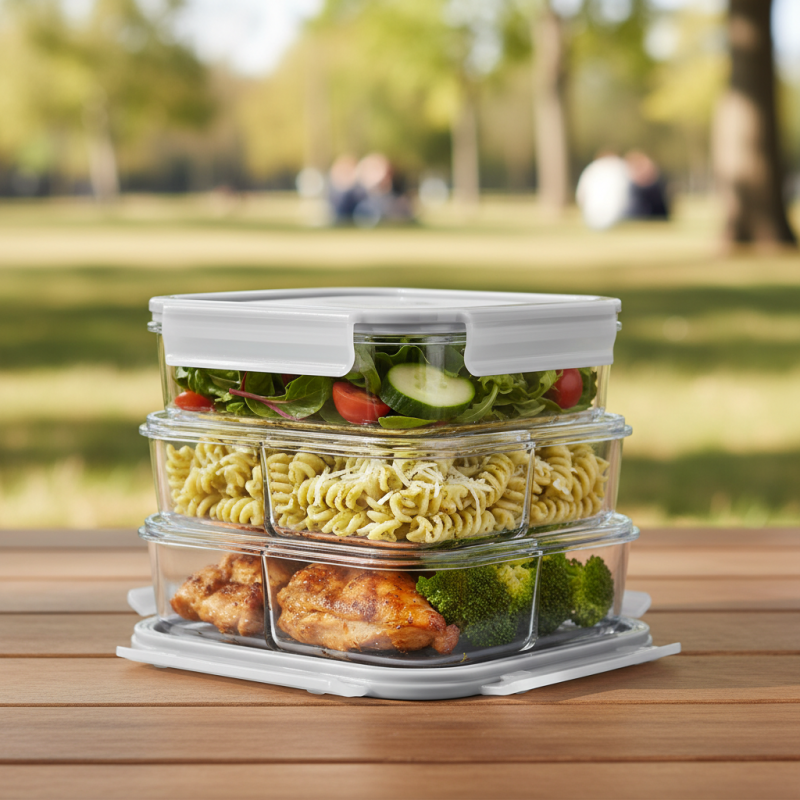
A Multilayer Food Container allows for efficient organization of various food items. The compartments help prevent cross-contamination and keep flavors intact. Imagine having your pasta, salad, and snack all in one container, each retaining its freshness.
Despite their benefits, choosing the right Multilayer Food Container can be challenging. Users may struggle with material safety or cleaning issues. Not every container is created equal, and some might not withstand regular use. Awareness and knowledge about product features are essential for making informed decisions.
Definition of Multilayer Food Containers
Multilayer food containers are innovative storage solutions designed to keep food fresh and organized. They consist of multiple compartments, allowing you to separate different food items. This design helps prevent mixing of flavors and maintains the integrity of each dish. Not only are they practical, but they also enhance meal presentation.
These containers are particularly beneficial for meal prep. You can pack various meals in one container, making it easy to transport. For instance, you can have a salad in one layer, protein in another, and grains in a third. This versatility is valuable for busy individuals or families. However, not all multilayer containers are microwave or dishwasher safe. This could create inconvenience during cleaning or reheating. It's essential to check product specifications diligently.
While multilayer containers offer convenience, there are limitations. They might not be suitable for liquids, as they can spill during transport. Choosing the right size can also be tricky, leading to wasted space or insufficient portions. Thoughtful consideration is necessary to maximize their potential. Balancing utility and practicality is key when integrating these containers into your kitchen routine.
Key Benefits of Using Multilayer Food Containers
Multilayer food containers have gained popularity due to their versatility and effectiveness. One key benefit is their ability to keep food fresh. With separate layers, users can store different food types without mixing flavors. For example, you can keep salads crisp, while sandwiches remain soft. This separation enhances the overall eating experience.
Another advantage is space efficiency. Multilayer designs stack neatly in refrigerators and cupboards. Users can optimize storage by utilizing vertical space. They are also lightweight and portable, making them perfect for picnics or meal prep. The materials used often resist stains and odors, maintaining cleanliness over time.
However, not all multilayer containers are created equal. Some may lack proper sealing, leading to leaks. Users should be cautious and check for durability. It's essential to read reviews and seek reliable recommendations. The wrong choice can lead to spoiled food, which is wasteful and frustrating. Hence, making an informed decision is crucial.
Benefits of Using Multilayer Food Containers
The chart above illustrates the various benefits of using multilayer food containers. The scores represent the effectiveness of each benefit on a scale of 0 to 100. Portability and space efficiency are notably high, making multilayer food containers a popular choice for meal storage.
Common Materials Used in Multilayer Food Containers
Multilayer food containers are gaining popularity for their practical design and efficient storage capabilities. These containers are typically made from various materials, each chosen for specific benefits. Common materials include stainless steel, glass, and plastic.
Stainless steel is durable and offers excellent insulation. It keeps food hot or cold for extended periods. However, it can be heavy and may not be microwave-safe, which limits its versatility. Glass containers are non-toxic and allow you to see the contents easily. They are easy to clean and often dishwasher-safe. Yet, glass can break if dropped, leading to safety concerns.
Plastic containers are lightweight and often microwaveable. They are available in various colors and shapes, catering to diverse needs. On the downside, some plastics may leach chemicals when heated. It's crucial to choose BPA-free options. Each material has its pros and cons, making it essential to assess your lifestyle and usage before investing in multilayer food containers.
Popular Uses and Applications of Multilayer Food Containers
Multilayer food containers offer various applications that cater to modern living. These containers are designed to keep food fresh and organized. They are particularly popular among health-conscious consumers and busy families. According to a report by Grand View Research, the global food storage container market is estimated to reach $30 billion by 2027. This reflects a growing awareness of food preservation and convenience.
One of the most common uses for multilayer food containers is meal prepping. These containers allow users to portion meals for the week. Users can easily separate different food groups, promoting balanced nutrition. Additionally, multilayer containers are ideal for storing leftovers, minimizing waste. A survey by Statista shows that around 63% of consumers prefer containers that are microwave and dishwasher safe. Such features enhance usability, making them a staple in many households.
While they provide multiple benefits, some consumers find drawbacks. Not all multilayer food containers are leak-proof. Users can face issues with liquid spills, especially when transporting meals. Moreover, some materials may not be microwave safe, leading to confusion. This highlights the necessity for clear labeling and consumer education. Ultimately, while multilayer food containers offer significant advantages, they also require careful consideration regarding materials and usage.
What is a Multilayer Food Container Benefits and Uses? - Popular Uses and Applications of Multilayer Food Containers
| Dimension |
Description |
Benefits |
Popular Uses |
| Material |
Plastic, Stainless Steel, Glass |
Durable and lightweight options available |
Lunch boxes, food storage |
| Layer Count |
2 to 5 layers |
Allows separation of different food items |
Meal prep, snacks |
| Insulation |
Thermal insulation options |
Keeps food hot or cold for longer |
Picnics, catering |
| Size |
Varies (from small to large) |
Versatility for different portion sizes |
Home storage, travel |
| Sealing Mechanism |
Tight-sealing lids |
Prevents leaks and spills |
Travel meals, soups |
Tips for Maintaining and Cleaning Multilayer Food Containers
Multilayer food containers are designed for convenience and versatility. They allow you to store different types of food together, minimizing mess and saving space. However, maintaining them is crucial for longevity and hygiene.
When cleaning multilayer food containers, it's essential to use mild detergent and warm water. Avoid abrasive cleaners that can scratch the surface. Make sure to clean each layer separately to prevent cross-contamination. Pay special attention to corners and seams where food particles may linger. A soft sponge works best for this task.
Regular maintenance is key. After every use, rinse the containers promptly to avoid stubborn stains. It’s wise to let them air dry completely before stacking. This helps to prevent moisture buildup, which can lead to mold. Inspect the seals and lids regularly. If they're worn or damaged, it’s time to replace them for optimal performance. Using these tips will help you keep your multilayer food containers in great shape for years to come.
Conclusion
Multilayer Food Containers are innovative storage solutions designed to keep different types of food separated while maintaining their freshness. These containers typically consist of multiple layers that can hold various dishes, making them ideal for meal prepping and on-the-go lunches. Key benefits include improved organization, enhanced portability, and the ability to preserve flavors and textures.
Common materials used in the construction of Multilayer Food Containers include plastic, glass, and stainless steel, each offering unique advantages in durability and insulation. They are widely used in households, by students, and in professional settings for transporting meals, snacks, and leftovers. To ensure longevity, it's important to follow specific maintenance and cleaning tips, such as avoiding harsh chemicals and ensuring that the containers are dishwasher safe.

 Dadi Plastic