In the realm of disposable drinkware, the plastic cup stands out. According to Dr. Emily Thompson, a leading expert in materials science, “Plastic cups have revolutionized convenience in everyday life.” These seemingly simple items come in various shapes and sizes, catering to our diverse needs. Events like parties, picnics, and casual gatherings often rely on plastic cups for ease of use.
Beyond convenience, plastic cups offer benefits in cost and accessibility. They are lightweight, stackable, and generally less expensive than glass or ceramic options. Their versatility makes them a staple in households and businesses alike. However, the environmental implications are often overlooked. Plastic pollution poses significant challenges we must address.
While plastic cups are practical, questioning our reliance on them is important. Are we prioritizing convenience over sustainability? With alternatives emerging, it’s time to rethink our choices. The conversation surrounding plastic cups is ongoing, and understanding their impact is crucial for responsible consumption.
What is a Plastic Cup?
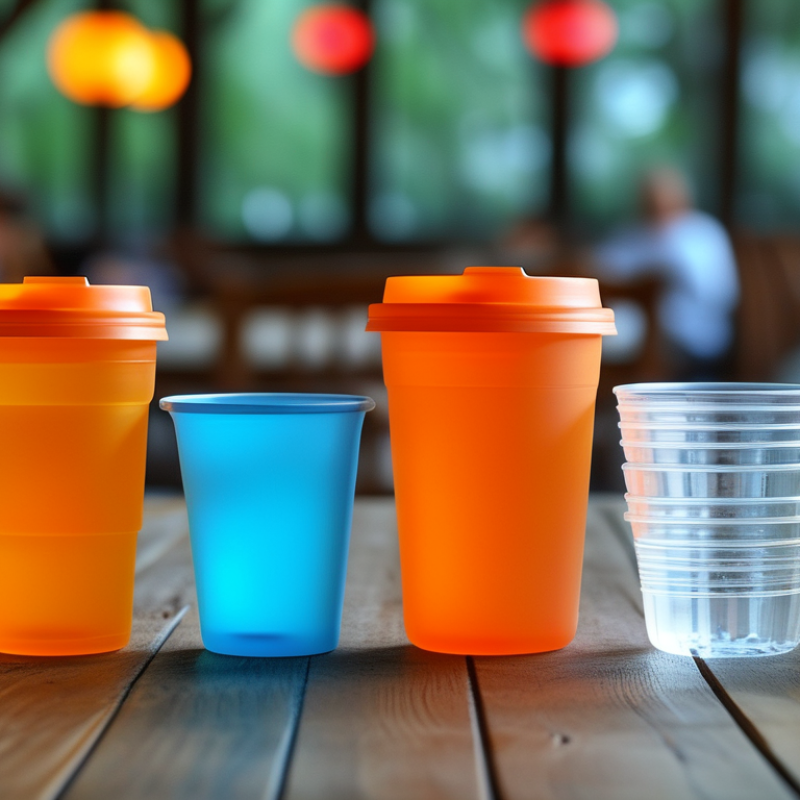
A plastic cup is a common, lightweight container made from various types of plastic. These cups are often used for beverages, parties, and casual events. Their convenience and affordability make them a popular choice in many households. The plastic used can include materials like polypropylene or polystyrene, which are durable yet easy to dispose of.
When choosing plastic cups, consider the intended use. For cold drinks, ensure the cup can withstand condensation without leaking. Some cups are designed for hot beverages; they may have insulation features. Pay attention to the size options available, as different occasions might require different volumes.
There are benefits and drawbacks to using plastic cups. They are convenient but can contribute to environmental issues. A good practice is to recycle used cups when possible. If you're hosting an event, think about offering a mix of plastic and reusable options. This can reduce waste while maintaining convenience.
History and Evolution of Plastic Cups
Plastic cups have a fascinating history that dates back several decades. The development of these cups began in the mid-20th century, spurred by the need for convenience. In the 1960s, they gained popularity at events and gatherings. Their lightweight nature and disposable feature appealed to many. This innovation transformed how we serve drinks, especially in communal settings.
As the demand grew, the manufacturing process evolved. Initially, plastic cups were made from polystyrene, which is rigid but can break easily. Over time, other materials like polyethylene emerged. These changes improved durability and usability. Today’s plastic cups often feature designs that cater to various occasions, from casual picnics to elegant parties. However, this convenience comes with environmental concerns. Many plastics do not decompose easily, raising questions about sustainability.
Despite their advantages, plastic cups prompt reflection on our choices. While they offer ease, their impact on the environment should not be ignored. Some people prefer reusable options, which can significantly reduce waste. Balancing convenience and environmental responsibility remains a challenge. Understanding the history of plastic cups can guide us toward smarter, more sustainable choices.
Types of Plastic Cups and Their Uses
Plastic cups come in various types and serve multiple purposes, making them essential in everyday life. There are disposable cups often used for parties and events. They offer convenience but may not be the most environmentally friendly option. Reusable plastic cups have gained popularity for their durability. These are ideal for camping or outdoor activities.
Another type is the biodegradable plastic cup, which is becoming more common. These cups break down over time, offering a greener alternative. If you're hosting a gathering, consider using these instead of traditional plastic cups. They balance functionality with environmental responsibility.
For optimal usage, only fill plastic cups to their recommended capacity. Overfilling can lead to spills, creating unnecessary mess. When using disposable options, make sure to recycle them properly. This small step can make a big difference in reducing waste. Reflect on your choices when selecting plastic cups. By opting for reusable or biodegradable options, you contribute to a cleaner planet while enjoying your favorite beverages.
Advantages of Using Plastic Cups
Plastic cups are a popular choice for various occasions, from parties to outdoor events. They offer several advantages that make them a practical option. One key benefit is their lightweight nature. According to industry reports, plastic cups can weigh significantly less than glass, making them easier to transport. This quality is crucial for event planners looking to minimize setup time and effort.
Furthermore, plastic cups are often more durable than their paper counterparts. They resist moisture and won’t collapse easily when filled with liquids. A study published in the Journal of Sustainable Packaging found that plastic cups can remain intact under various conditions, reducing waste. Reusable plastic cups can also offer cost savings over time. Event organizers save money by using durable plastic solutions instead of disposable paper cups.
Yet, there are considerations. Not all plastic cups are created equal. Some may leach harmful chemicals if not made from safe materials. Awareness of materials and recycling options is essential. Research indicates that properly recycled plastic can be reused effectively. This highlights plastic cups' dual role as convenience and a responsibility for environmental impact. These factors underscore the need for thoughtful choices in using plastic cups.
Environmental Considerations of Plastic Cup Usage
Plastic cups are a common sight at parties, picnics, and events. Their convenience and affordability have made them popular. However, the environmental impact of their usage raises significant concerns. Most plastic cups are single-use, contributing to a growing waste problem. Millions end up in landfills and oceans, harming wildlife and ecosystems.
The production of plastic cups requires vast resources, including fossil fuels. This process emits greenhouse gases, contributing to climate change. Recycling rates for plastic cups are low, with many facilities unable to process them. Even biodegradable options can create issues if not handled properly. These factors warrant a critical reflection on our plastic consumption.
Transitioning to reusable alternatives may be beneficial. Yet, this requires behavioral changes that not everyone is willing to make. People often prioritize convenience over sustainability, leading to challenges in reversing plastic dependence. Balancing convenience with environmental responsibility is essential for future generations.
What is a Plastic Cup and Why Do You Need It? - Environmental Considerations of Plastic Cup Usage
| Dimension |
Data |
| Material Composition |
Polypropylene, PS (Polystyrene) |
| Average Lifespan |
500 years (in landfill) |
| Recyclability |
Often recyclable, but varies by local facilities |
| Annual Global Usage |
Over 500 billion plastic cups used |
| Environmental Impact |
Contributes to ocean pollution and landfill waste |
| Alternatives |
Biodegradable cups, reusable glass or metal cups |
Conclusion
A plastic cup is a versatile and lightweight container commonly used for various beverages and food items. Over the years, the history and evolution of plastic cups have seen significant innovations, transitioning from simple designs to more functional and efficient options. There are numerous types of plastic cups available, including disposable, reusable, and specialized versions, each catering to different needs—from casual parties to formal events.
The advantages of using plastic cups include their affordability, convenience, and durability, making them popular in both personal and commercial settings. However, environmental considerations surrounding plastic cup usage have sparked debates, emphasizing the importance of recycling and reducing waste to mitigate ecological impact. As consumers become more environmentally conscious, finding sustainable alternatives or reusing plastic cups responsibly is essential for balancing convenience with environmental stewardship.

 Dadi Plastic