The demand for kitchen wares is rapidly growing in China and across the globe. According to a recent report by Statista, the global kitchenware market is projected to reach $26 billion by 2026, driven by rising consumer interest in home cooking and culinary skills. Kitchen wares, including cookware, utensils, and storage solutions, are essential for both professional chefs and home cooks alike.
In China, manufacturers are increasingly focusing on quality and innovative designs. Industry experts note that Chinese kitchen wares are often blending traditional craftsmanship with modern technology. This trend offers substantial opportunities for international buyers seeking reliable and stylish products. However, buyers must navigate a crowded market filled with diverse options and varying standards.
Despite vibrant growth, challenges remain. Quality control is paramount, as not all products meet international safety and performance standards. Global buyers should conduct thorough research and vet their suppliers carefully. Attention to product certifications and reviews can mitigate potential risks. Embracing the balance between quality and cost will ultimately lead to successful acquisitions in the evolving kitchen wares sector.
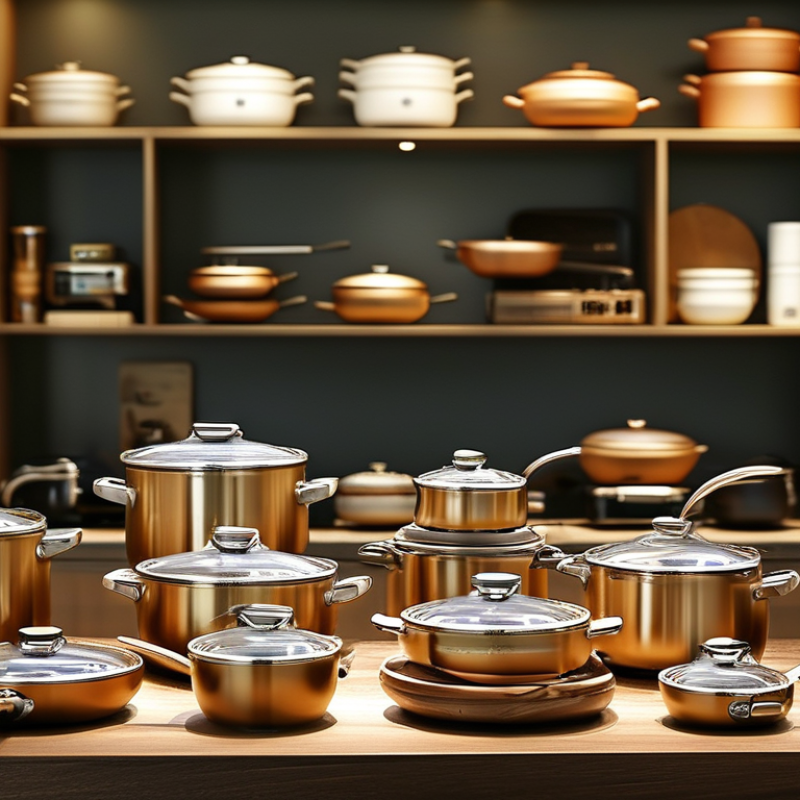
Overview of China’s Kitchen Ware Industry for Global Buyers
China’s kitchenware industry is a dynamic sector that has seen significant growth. Many global buyers are turning to Chinese manufacturers for a diverse range of products. The market offers everything from traditional utensils to innovative gadgets. Stainless steel, ceramic, and bamboo products are popular choices. Each material has its unique appeal and functionality.
In recent years, there has been a noticeable shift towards sustainable and eco-friendly kitchenware options. Buyers are increasingly looking for items made from recyclable materials. This trend reflects a growing awareness of environmental impact. However, some manufacturers struggle to meet these rising standards. Quality control can be inconsistent, leading to frustrations for buyers.
Additionally, navigating the vast market can be overwhelming. Buyers should conduct thorough research before making decisions. Finding reliable suppliers may require trial and error. Establishing clear communication with manufacturers is also essential. Overall, China’s kitchenware industry offers opportunities and challenges for global buyers, demanding a balanced approach to sourcing.
Popular Kitchenware Materials Used in China and Their Benefits
When looking into popular kitchenware materials in China, several key options stand out due to their unique benefits. Stainless steel is a favorite because it is durable and resistant to rust. According to industry reports, the global stainless steel kitchenware market is projected to grow by 5.7% annually. This growth reflects its increased adoption among consumers who value longevity.
Ceramics are another widely used material. They offer excellent heat resistance and stylish designs. A recent study indicated that ceramic kitchenware helps in retaining heat, which improves cooking efficiency. Moreover, ceramic is non-reactive, making it a safe option for food preparation. However, the fragility of ceramics can pose a challenge for some users; careful handling is required to prevent breakage.
Silicone has gained traction in recent years as a versatile option. It is lightweight, flexible, and dishwasher safe. Reports highlight a surge in demand for silicone kitchen tools, with a year-on-year increase of 12%. Still, some consumers express concerns about durability and long-term wear. This indecision reflects the ongoing balancing act between convenience and product longevity, which many buyers navigate in their kitchenware choices.
Top Kitchen Wares in China for Global Buyers
This chart illustrates the popularity of various kitchenware materials commonly used in China, highlighting the preferences of global buyers. Stainless steel leads the chart with 35% popularity, followed by ceramic and wood. Understanding these preferences can aid global buyers in making informed purchasing decisions.
Key Manufacturers and Brands of Kitchen Ware in China
China's kitchen ware market has experienced remarkable growth in recent years. According to industry reports, the kitchenware sector is projected to reach a value of over $70 billion by 2025. This remarkable growth is backed by the increasing demand for high-quality, functional, and aesthetically pleasing kitchen products worldwide. Manufacturers in China are leveraging advanced technology and innovative designs to cater to consumer preferences.
Several key manufacturers play a crucial role in this booming market. They focus on kitchen essentials, including cookware, utensils, and storage solutions. These companies emphasize durability and ease of use, appealing to both home cooks and culinary professionals. Many factories now adopt sustainable practices in their production processes, aiming for eco-friendly materials that resonate with the global trend toward sustainability.
However, the competition is fierce. Not all manufacturers maintain consistent quality, which can lead to unpredictable market trends. Consumers may encounter variability in product reliability. That's a challenge for buyers looking for dependability. Additionally, not every new design meets functionality—some beautiful designs may prove impractical in real kitchen environments. Thus, buyers must navigate this landscape carefully, seeking balanced options that mesh design with usability.
Top Kitchen Wares in China for Global Buyers Worldwide
| Product Type |
Material |
Usage |
Average Price (USD) |
Main Export Markets |
| Cookware Set |
Stainless Steel |
Cooking |
150 |
North America, Europe |
| Kitchen Knife |
High Carbon Steel |
Food Preparation |
50 |
Asia, Australia |
| Baking Tools |
Silicone |
Baking |
30 |
Europe, Middle East |
| Cutlery Set |
Stainless Steel & Plastic |
Dining |
40 |
North America, Asia |
| Food Storage Containers |
Plastic/BPA Free |
Storage |
20 |
Global |
Trends and Innovations in Chinese Kitchen Ware Products
The kitchenware market in China is rapidly evolving. Consumers are seeking innovative products that combine functionality and aesthetic appeal. Recent reports indicate that the Chinese kitchenware industry is expected to reach $45 billion by 2025. This growth is driven by urbanization and a rising middle class that values modern cooking solutions.
Innovations in materials are transforming the sector. For instance, eco-friendly options, such as biodegradable utensils, are gaining popularity. A survey revealed that 70% of consumers prioritize sustainability when purchasing kitchen products. Additionally, smart kitchen technology is on the rise. Products equipped with smart sensors or Bluetooth connectivity are entering households. Yet, not all innovations resonate with consumers. Some find smart appliances complex and prone to glitches.
Chinese designers are also exploring traditional aesthetics. They incorporate cultural motifs into modern kitchenware, appealing to a global audience. However, balancing heritage with modern needs remains a challenge. The desire for unique designs sometimes clashes with mass production demands. As China navigates these trends, it’s essential for manufacturers to listen to consumer feedback. Continuous improvement and adaptation are crucial for success in the dynamic market.
Tips for International Buyers on Sourcing Kitchen Wares from China
Sourcing kitchen wares from China can be a rewarding venture for global buyers. Recent statistics indicate that China holds about 28% of the world's kitchenware market, making it a vital hub for these products. The diversity in manufacturing capabilities ranges from basic utensils to high-end cookware, appealing to various consumer segments.
One challenge international buyers often face involves quality control. According to a survey by the International Trade Centre, 45% of buyers reported concerns about product quality. Establishing a solid quality assurance process is essential. It helps avoid sourcing issues later. Buyers should consider visiting factories or using third-party inspection services to ensure the quality consistently meets standards.
Communication barriers can also complicate negotiations. Many manufacturers in China may not fully understand specific demands. Establishing clear specifications is crucial. Providing visual references or samples can help bridge this gap. Buyers should prepare for potential misunderstandings, as this can impact timelines and costs.
FAQS
: Stainless steel is durable and rust-resistant. It is favored by many for its long lifespan.
Ceramics resist heat well and offer stylish designs. They improve cooking efficiency by retaining heat.
Ceramics can be fragile and require careful handling to prevent breakage.
Silicone is lightweight, flexible, and dishwasher safe. Its versatility attracts many consumers today.
Some consumers worry about the durability of silicone over time. Longevity can be a concern for many.
The kitchenware market is growing rapidly, projected to exceed $70 billion by 2025.
Manufacturers prioritize durability and user-friendliness, catering to both home cooks and professionals.
Quality can vary among manufacturers, leading to unpredictable product reliability in the market.
Not every new design is practical. Some may look great but fail in real kitchen use.
Many are using advanced technology and sustainable practices to create high-quality kitchen products.
Conclusion
The article "Top Kitchen Wares in China for Global Buyers Worldwide" provides a comprehensive overview of the kitchen ware industry in China, highlighting its significance for international buyers. It delves into the popular materials used in the production of kitchen wares, such as stainless steel, ceramic, and silicone, emphasizing their benefits in terms of durability and safety.
Additionally, it examines key manufacturers and brands that dominate the market, reflecting on current trends and innovations that drive the industry forward, such as eco-friendly designs and smart kitchen solutions. For global buyers looking to source kitchen wares from China, the article offers practical tips on navigating the marketplace effectively, ensuring a successful procurement process while maximizing quality and value.

 Dadi Plastic