Choosing reliable suppliers matters when a lunch box must travel across borders, survive daily use, and meet buyer expectations. This guide introduces the Top 10 Rectangular Lunch Box Suppliers for Global Buyers, focusing on practical sourcing factors rather than attractive catalogs alone. The selected companies are considered through product quality, manufacturing experience, customization options, communication, and export capability. Materials such as stainless steel, food-grade plastic, glass, and silicone require careful review. A strong supplier should provide clear specifications, usable samples, and traceable quality documents.
Small details often reveal production discipline. Check whether the lid closes evenly after repeated use. Inspect the seal around every corner. Test stacking stability, hinge strength, surface finish, and odor after washing. Buyers should also compare minimum order quantities, sample fees, production lead times, packaging design, and shipping support. Certifications can be helpful, but they should be verified for the exact product and market. Do not rely only on a supplier’s website.
No supplier is perfect. A factory with excellent molding skills may offer weak packaging support. Another may respond quickly but lack flexible customization. Product performance can also change between samples and mass production, which deserves attention. This overview is therefore a practical starting point, not a substitute for audits, testing, or direct negotiation. Global buyers can use these insights to narrow their choices, ask better questions, and select a Rectangular Lunch Box partner with greater confidence and fewer expensive surprises. Experience still matters. Details matter more.
What defines a rectangular lunch box supplier is not a polished catalog alone. Reliable suppliers show practical experience with food-contact containers, sealing systems, and repeated production. They explain material choices clearly, such as stainless steel, polypropylene, or silicone. They should provide samples before large orders. A sample reveals lid pressure, corner strength, surface finish, and cleaning difficulty. These details matter when boxes travel in crowded bags.
Professional suppliers also maintain documented quality controls. Ask for food-contact test reports, dimensional records, and inspection procedures. A dependable factory can explain its molding process, defect limits, and packing method without vague promises. Production capacity should match your schedule, but bigger capacity does not always mean better control. Communication matters too. Clear drawings, confirmed tolerances, and written approval reduce costly misunderstandings. Experience with export packaging and shipment documentation adds useful reliability for global buyers.
Tips: Test several sizes with real meals, not empty samples. Check whether the rectangular corners trap sauce or crumbs. Ask how many units are inspected per batch. Confirm carton strength by requesting drop-test evidence. Review replacement procedures for damaged goods. Keep one approved sample for future comparison. No supplier is flawless. Even careful teams can miss a small lid gap or print inconsistency. That is why independent inspection remains sensible before shipment, especially for new suppliers or customized orders.
This chart presents a practical procurement scorecard for evaluating rectangular lunch box suppliers. The percentages represent the relative importance of each purchasing criterion in a model global sourcing assessment, rather than data from any individual company or brand. Product safety, leak prevention, material durability, and production consistency are emphasized because they directly affect compliance, usability, and repeat-order reliability.
Selecting the top ten rectangular lunch box suppliers requires more than comparing online prices. We examined production experience, material control, export history, and documented quality procedures. Samples were checked for lid alignment, corner strength, odor, leakage, and repeated washing. Small details matter.
Material safety received strong weight. The OECD’s Global Plastics Outlook reports that only 9% of plastic waste was recycled globally in 2019. Therefore, suppliers had to identify resin types, provide food-contact declarations, and explain recycling options. We also reviewed testing for migration, temperature resistance, and dishwasher performance. Suppliers with vague documents were not ranked highly, even when their catalogs looked attractive.
Capacity and reliability shaped the final list. We compared monthly output, mold ownership, lead times, packaging protection, and response speed during sample revisions. ISO 9001 certification supported process credibility, but certification alone was not enough. The United Nations Environment Programme’s 2023 plastics report says plastic pollution could be reduced by 80% by 2040 through reuse, recycling, and redesign. That made reusable construction and repairable components useful selection signals. Still, supplier claims can be optimistic. Independent test records and recent buyer references carried more weight than polished presentations. Price was considered, but never treated as proof of value.
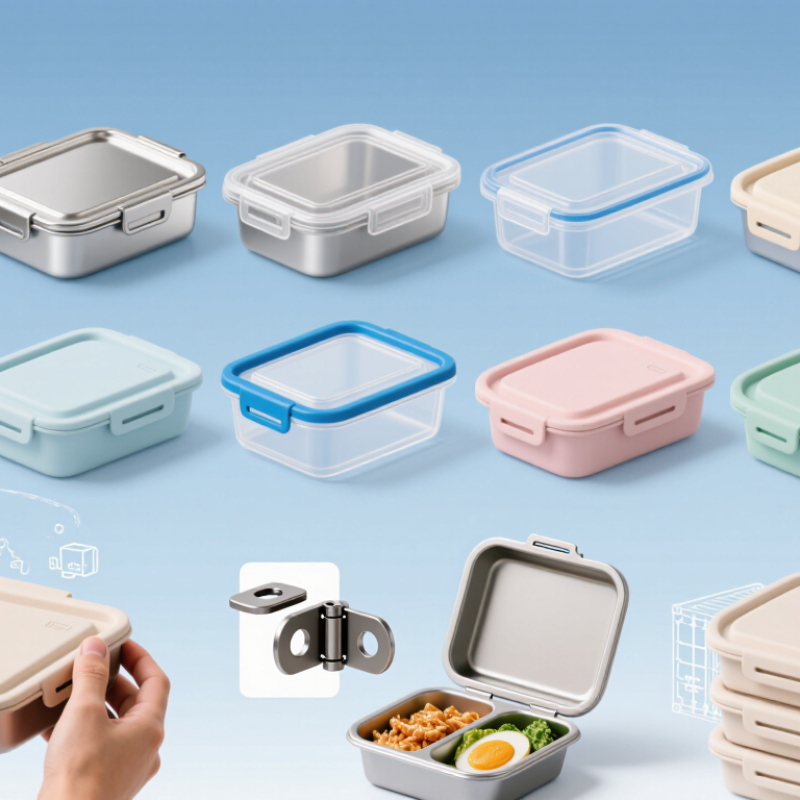
The ten supplier profiles reflect different production strengths and purchasing needs. Injection-molding suppliers often offer lightweight polypropylene boxes for schools and offices. Stainless-steel specialists focus on durable containers with polished interiors and secure lids. Silicone-seal suppliers provide leak-resistant designs for sauces and soups. Some factories specialize in microwave-safe boxes with vented covers. Others produce compartment trays for portion control and meal preparation. Bento-style suppliers emphasize removable dividers, stackable shapes, and compact storage. Insulated-container manufacturers target buyers needing temperature retention during commuting. Fiber-based suppliers develop lower-plastic options for short-term food service. Custom-packaging suppliers support printed colors, private molds, and retail-ready sets. Small-batch workshops suit niche orders but may have higher unit costs.
Product specialties require careful verification. Ask for food-contact test reports, material declarations, and production samples before signing a purchase agreement. Check whether the lid remains sealed after repeated opening and closing. A factory sample can look excellent, yet mass production may reveal warped corners. Measure internal capacity, wall thickness, and empty weight against your specification. Confirm carton dimensions before shipping calculations. Suppliers should explain mold ownership, minimum order quantities, lead times, and replacement policies clearly. Good records matter.
I would also test staining from curry, tomato sauce, and cooking oil. These simple trials expose weaknesses quickly. One overlooked detail is condensation under hot food. It can affect labels, sleeves, and outer cartons. Supplier claims deserve evidence, not polished photographs. Even experienced buyers can miss a small tolerance issue. Rechecking samples remains worthwhile.
Top 10 Rectangular Lunch Box Suppliers for Global Buyers
When comparing the top ten rectangular lunch box suppliers, material choice should match daily use. Food-grade polypropylene is light, impact-resistant, and suitable for affordable production. Stainless steel handles heat well and resists odor, but it can increase shipping weight. Glass offers a clean surface and clear visibility, though drop damage remains a concern. Silicone seals need careful inspection because weak edges may collect food residue.
Compliance evidence separates experienced suppliers from attractive catalogs. Request food-contact declarations, migration test reports, material specifications, and factory quality records. Check whether documents match the exact product, lid, coating, and color. Requirements differ across destination markets, so one certificate rarely proves universal compliance. Ask about batch traceability and corrective-action procedures. Small details matter.
Customization can include compartment layouts, logo printing, lid colors, carton dimensions, and mold changes. Confirm minimum order quantities before approving artwork. A sample should be filled, closed, refrigerated, heated when appropriate, and washed repeatedly. Inspect hinge alignment and seal recovery after use. No supplier is perfect. I have seen strong samples fail during transport because cartons lacked corner protection. A better comparison includes production samples, inspection photos, packaging tests, and realistic lead times. Cost still matters, but the cheapest rectangular box may create higher replacement and compliance risks.
| Supplier Profile | Typical Material Offering | Common Size Range | Leak-Resistance Design | Food-Contact Compliance Documents to Request | Typical MOQ Range | Customization Capability | Indicative Sample Lead Time | Production Lead Time | Best Fit for Global Buyers | Pre-Sourcing Rating |
|---|---|---|---|---|---|---|---|---|---|---|
| Supplier Profile 01 | PP body with silicone sealing ring | 500–1,200 ml Approx. 18–23 cm length |
Snap-lock lid with removable gasket; suitable for separated dry and moist foods | EU 1935/2004 EU 10/2011 FDA food-contact declaration BPA test | 1,000–3,000 units per color | Logo printing, lid color, divider layout, packaging artwork | 7–12 working days | 25–40 working days | Retailers seeking lightweight, stackable everyday lunch boxes | ★★★★☆ |
| Supplier Profile 02 | 304 stainless steel with PP lid | 600–1,000 ml Approx. 17–22 cm length |
Silicone gasket with four-side locking clips; not normally intended for pressure liquids | EU 1935/2004 LFGB testing FDA food-contact declaration Heavy-metal testing | 500–1,500 units per specification | Laser marking, sleeve design, lid color, insert tray options | 10–15 working days | 30–45 working days | Buyers prioritizing durability, recyclability, and premium positioning | ★★★★★ |
| Supplier Profile 03 | Tritan-style copolyester or clear PP with PP lid | 700–1,500 ml Approx. 19–25 cm length |
Press-fit gasket and locking tabs; visibility-focused design | FDA food-contact declaration EU 10/2011 BPA/BPS testing REACH declaration | 2,000–5,000 units per color | Transparent color matching, in-mold logo, divider configuration, retail carton | 8–14 working days | 30–50 working days | Brands and retailers wanting product visibility and modern styling | ★★★★☆ |
| Supplier Profile 04 | Glass container with borosilicate or tempered glass body | 500–1,040 ml Approx. 17–23 cm length |
Silicone gasket and PP locking lid; glass remains more break-sensitive in transit | EU 1935/2004 FDA food-contact declaration Thermal-shock testing Silicone migration testing | 1,000–3,000 units per model | Printed sleeve, lid color, silicone band, carton and protective insert | 12–18 working days | 35–55 working days | Eco-conscious programs and microwave-friendly meal-prep ranges | ★★★★☆ |
| Supplier Profile 05 | Wheat-fiber or bamboo-fiber composite with PP matrix | 700–1,200 ml Approx. 18–23 cm length |
Standard snap lid; gasket performance varies by design and should be tested | EU 10/2011 FDA food-contact declaration Migration testing REACH declaration | 3,000–8,000 units per color | Color matching, surface printing, molded logo, paper packaging | 10–16 working days | 35–60 working days | Value-oriented sustainable-look collections; verify environmental claims carefully | ★★★☆☆ |
| Supplier Profile 06 | PP container with removable silicone divider and gasket | 800–1,800 ml Approx. 20–28 cm length |
Multi-compartment snap-lock lid; suitable for meal-prep portions | EU 1935/2004 EU 10/2011 FDA food-contact declaration Odor and migration testing | 1,000–3,000 units per configuration | Compartment layout, divider colors, logo decoration, belly band, retail box | 7–14 working days | 25–45 working days | Meal-prep, catering, school, and office-lunch programs | ★★★★★ |
| Supplier Profile 07 | 304 stainless steel body with stainless or PP inner tray | 800–1,500 ml Approx. 19–25 cm length |
Clip-lock lid with silicone gasket; strong resistance to staining and odor retention | LFGB testing FDA food-contact declaration EU 1935/2004 Nickel release testing | 500–2,000 units per model | Laser engraving, powder-coated exterior, divider design, gift packaging | 10–18 working days | 30–50 working days | Outdoor, travel, corporate-gifting, and long-life product lines | ★★★★★ |
| Supplier Profile 08 | PP base with silicone collapsible walls and PP lid | 500–1,000 ml Approx. 15–22 cm length |
Gasketed lid with locking tabs; compact storage when collapsed | EU 1935/2004 EU 10/2011 FDA food-contact declaration Silicone migration testing | 2,000–5,000 units per color | Silicone color, lid printing, packaging, mold adjustments for dimensions | 12–20 working days | 35–55 working days | Travel, camping, compact-kitchen, and space-saving product categories | ★★★★☆ |
| Supplier Profile 09 | PP or stainless steel base with insulated outer sleeve | 600–1,200 ml Approx. 18–24 cm length |
Gasketed inner container; insulation supports temperature retention but is not a substitute for refrigeration | EU 1935/2004 FDA food-contact declaration Insulation material testing REACH declaration | 1,000–3,000 units per color | Fabric or EVA sleeve, embroidery, print, zipper design, gift box | 12–18 working days | 35–60 working days | Commuter, school, promotional, and portable meal solutions | ★★★★☆ |
| Supplier Profile 10 | Recycled-content PP, subject to verified recycled percentage | 700–1,500 ml Approx. 18–25 cm length |
Snap-lock lid with silicone seal; sealing depends on recycled resin formulation and tooling | EU 10/2011 FDA food-contact declaration Recycled-content verification BPA and migration testing | 3,000–10,000 units per color | Recycled resin color, molded logo, paper packaging, QR traceability label | 14–21 working days | 40–65 working days | Large-volume buyers with documented sustainability and traceability targets | ★★★★☆ |
Choosing among the top 10 rectangular lunch box suppliers requires more than comparing unit prices. Global buyers should inspect material safety, production consistency, and delivery records. According to Grand View Research, the global food packaging market reached about USD 363 billion in 2023. This scale increases supplier choices, but also increases quality differences. Request food-contact test reports, factory audit records, and samples from different production batches. A box that closes well in a showroom may leak after repeated washing.
Supplier experience matters during customization. Ask whether the factory has handled similar sizes, hinges, seals, and temperature requirements. Review mold ownership, minimum order quantities, lead times, and corrective-action procedures. ISO 9001 certification can support process control, but it does not replace independent product testing. Buyers should also check applicable food-contact requirements in each destination market. A low quote still tempts us. That instinct can be wrong. McKinsey’s 2023 packaging research reported that sustainability remains important to many consumers, although price and performance still influence purchases strongly. Therefore, compare recycled content, durability, and total shipping weight together.
Tips: Test samples with soup, oil, and repeated opening cycles. Measure odor retention after 24 hours. Confirm carton strength before ocean shipment. Ask for a written replacement policy. Do not rely on one perfect sample; three imperfect samples may reveal the real production risk. A practical supplier scorecard should weigh safety, defect rate, communication speed, capacity, and landed cost. Keep every result in writing.
A reliable supplier understands food-contact containers, sealing systems, and repeated production. They explain materials, molding methods, defect limits, and packing procedures clearly. Ask for samples before placing large orders. Clear records matter.
Samples reveal lid pressure, corner strength, surface finish, and cleaning difficulty. Fill them with rice, sauce, or soup instead of testing empty boxes. Check whether rectangular corners trap crumbs or oily residue. Test real meals.
Polypropylene is lightweight, impact-resistant, and suitable for affordable production. Stainless steel handles heat well but may increase shipping weight. Glass offers visibility but can break after a drop. Silicone seals need careful edge inspection.
Request food-contact declarations, migration test reports, material specifications, and inspection records. Confirm that documents match the exact box, lid, coating, and color. Ask about batch traceability and corrective actions. One certificate may not cover every market.
Fill the box with soup, close the lid, and turn it gently upside down. Repeat opening and closing to check seal recovery. Inspect hinge alignment, lid gaps, and residue around silicone edges. No test catches everything.
Confirm compartment layouts, lid colors, printed designs, carton sizes, and mold responsibilities. Approve a production sample before final artwork and bulk manufacturing. Clarify minimum order quantities, lead times, and replacement policies. Small changes can affect cost.
Strong cartons help prevent crushed corners, warped lids, and damaged surfaces. Request carton dimensions and drop-test evidence before calculating shipping costs. Hot food can create condensation under labels, sleeves, or outer cartons. Keep one approved sample.
Independent inspection is sensible for new suppliers and customized orders. Inspect dimensions, wall thickness, empty weight, sealing, surface finish, and carton protection. Compare production units with the approved sample. Even careful teams miss small inconsistencies.
This guide introduces the key factors that define a dependable Rectangular Lunch Box supplier, including manufacturing capability, product consistency, quality control, communication, export experience, and after-sales support. It also explains how leading suppliers can be evaluated through their material choices, production standards, customization services, order flexibility, and ability to meet the practical needs of international buyers. Supplier profiles are organized around product specialties such as stainless steel, food-grade plastic, glass, insulated, and reusable designs, without focusing on individual brand names.
The comparison highlights important considerations such as durability, leak resistance, safety documentation, packaging, color and size options, logo printing, and compliance with destination-market requirements. For global buyers, selecting the right supplier means balancing product quality, target pricing, minimum order quantities, lead times, customization capacity, and reliable communication. By reviewing these factors systematically, buyers can reduce sourcing risks and build stable partnerships for lunch box products suited to different markets and customer preferences.

Dadi Plastic