In recent years, meal prep has gained immense popularity among health-conscious individuals. Statistics show that 70% of people find meal prepping saves both time and money. The right storage solution plays a crucial role in this process. Enter the Round Food Container. These containers are designed to offer convenience and efficiency in meal organization.
Round Food Containers provide an easy way to store various meals. Their shape promotes even heating in microwaves, making reheating effortless. Furthermore, their stackable design helps maximize fridge space, a necessity for any busy kitchen. Research indicates that proper storage can increase food longevity by up to 50%. Yet, comfort in food storage is vital, as many users report frustrations with leaks and odors.
Not every Round Food Container is created equal. Some may warp or stain, leading to safety concerns. Consumers need to weigh their options carefully. They should consider materials, lids, and sizes that best fit their individual meal prep needs. Detailed comparison of features can guide users toward making an informed purchase. This article explores the top ten options available in the market today, emphasizing the balance between function and reliability.
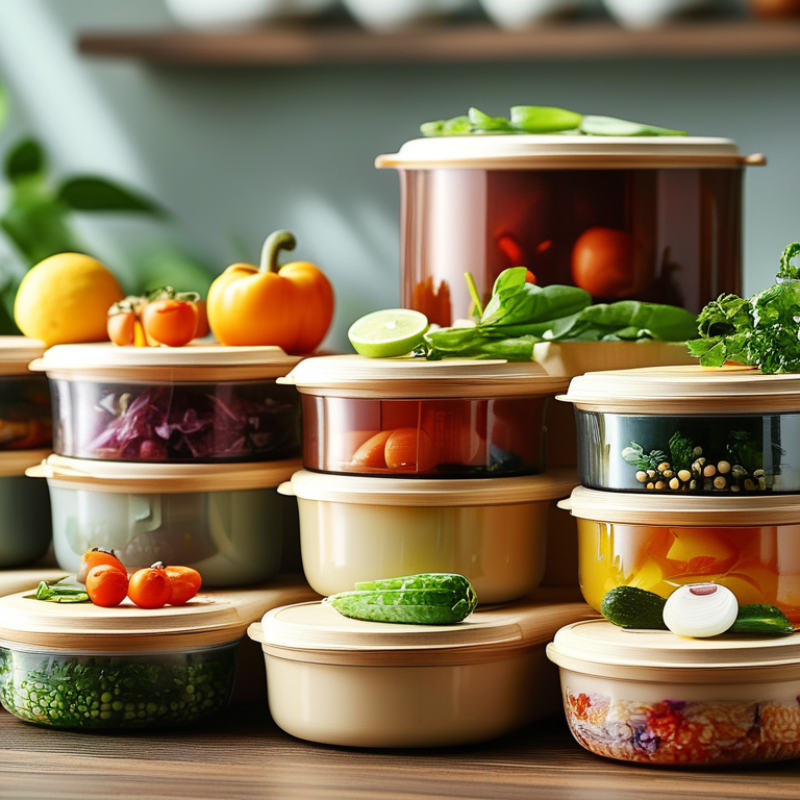
When searching for round food containers, consider key features that enhance meal prep and storage. Material is essential. Choose BPA-free plastic or glass for safety. Each material has its pros. For example, glass is microwave safe but heavier. Plastic is lighter but can stain.
Look for airtight lids. These help preserve freshness longer. They can prevent spills too. Make sure the lids fit snugly. A loose lid can ruin your meal prep. Heat resistance is another critical factor. Containers should withstand temperature changes without warping.
Tips: Always check for dishwasher safety. This makes cleanup much easier. Consider stackable designs. They save space in the fridge or pantry. Think about size variations. Smaller containers are great for sauces, while larger ones fit main dishes. Don't forget to inspect for scratches or damage. Even minor imperfections can compromise food safety.
When it comes to meal prep, choosing the right materials for food storage is crucial.
Glass is a popular choice for many. It is non-toxic and can withstand
high temperatures without leaching chemicals. Additionally, glass containers often have airtight lids. This feature helps preserve food freshness and prevents spills during transport.
But glass can be heavy and breakable. It's important to handle it carefully.
Plastic containers are lightweight and versatile, making them ideal for on-the-go meals.
However, not all plastics are created equal. Look for BPA-free options to avoid harmful substances.
Some plastics may warp in the microwave, affecting their durability. Metal containers are also gaining popularity.
Stainless steel is sturdy and resistant to rust and corrosion. These containers are excellent for packing lunches. Yet, they may not be
microwave-safe, which could limit their use.
Silicone is another emerging material in meal prep. Silicone containers are flexible and can be stacked easily.
They are durable and resistant to temperature changes. Still, some consumers find them less sturdy compared to glass or metal. Each material has its pros and cons.
Evaluating these aspects can lead to better meal preparation and storage experiences. The goal is to choose containers that align with your lifestyle and ensure food safety.
When it comes to meal prep, choosing the right round food containers is crucial. Sizes play a significant role. Industry reports suggest that 60% of consumers prefer containers between 1 to 3 quarts for personal meal prep. This range facilitates daily meals without taking up much space in your fridge.
Larger containers, around 4 to 5 quarts, are ideal for batch cooking. They allow you to store larger portions, reducing the need for multiple containers. However, be cautious; oversized containers may lead to food spoilage if not filled appropriately. It’s important to match the container size to the quantity of food prepared.
Tip: Always label your containers. This helps in tracking contents and dates. Transparency can reduce waste. Use smaller containers for snacks or sides to keep your diet balanced. Remember, the goal of meal prepping is to save time, but it should also promote healthy eating habits. By paying attention to container sizes and organization, you can improve both efficiency and food quality.
Organizing your meal prep with round containers can streamline your cooking and storage process. Round containers stack easily and fit well in most refrigerators. This shape allows for efficient use of space. When preparing meals, consider labeling each container. Use erasable markers or adhesive labels for identification. Clear labels make it simple to find what you need.
Choose the right sizes for your meals. Smaller containers work well for snacks or dips, while larger ones are perfect for main dishes. Pay attention to your meal portions. Overfilling containers can lead to spillage, creating messes that require cleaning. It can also make it harder to organize.
One challenge with round containers is their tendency to roll. To prevent this, designate a specific shelf for meal prep. This keeps everything in one place, reducing frustration. Make sure to rotate your meals. Try to eat the oldest items first to avoid waste. Finally, keep track of expiration dates. This attention to detail ensures fresh food and minimizes spoilage.
| Container Name | Material | Capacity | Microwave Safe | Price Range |
|---|---|---|---|---|
| BPA-Free Round Container | Plastic | 32 oz | Yes | $10 - $15 |
| Glass Round Storage Jar | Glass | 24 oz | Yes | $15 - $20 |
| Stainless Steel Round Container | Stainless Steel | 16 oz | No | $20 - $30 |
| Microwave Safe Round Container | Plastic | 28 oz | Yes | $8 - $12 |
| Round Meal Prep Container | Plastic | 40 oz | Yes | $12 - $18 |
| Multi-Compartment Round Container | Plastic | 30 oz | Yes | $10 - $16 |
| Disposable Round Container Set | Foam | 16 oz | No | $5 - $10 |
| Oven Safe Round Container | Glass | 32 oz | Yes | $15 - $25 |
| Collapsible Round Storage Container | Silicone | 12 oz | Yes | $10 - $14 |
| Freezer Safe Round Container | Plastic | 20 oz | Yes | $9 - $13 |
Maintaining round food containers is crucial for ensuring their longevity and functionality. Proper care can prevent warping and staining, which can reduce their effectiveness over time. A study from the Food Packaging Institute highlights that 25% of consumers report issues with food container durability after frequent washing. Using gentle detergents is essential to avoid abrasive effects.
Tips: Rinse containers immediately after use to prevent stains.
For best results, ensure that containers are dry before storage. A damp environment can promote bacterial growth. The Centers for Disease Control and Prevention (CDC) emphasizes the importance of proper cleaning to avoid foodborne illnesses. Additionally, consider using silicone or rubber seals to maintain freshness and prevent leaks, as they can help extend the life of your containers.
Tips: Store lids separately to avoid damage.
Be mindful of temperature changes. Exposing containers to extreme heat or freezing can lead to cracking. Regularly inspect for wear and tear. Discard any that show signs of damage. Following these steps can ensure your round food containers remain safe and effective for meal prep and storage.
: Look for BPA-free plastic or glass. Glass is safe and durable, but it's heavier. Plastic is lightweight but can stain.
Airtight lids preserve freshness and prevent spills. A snug fit is essential to maintain the quality of your meals.
Consumers often prefer 1 to 3-quart containers. Larger 4 to 5-quart containers are good for batch cooking, but be cautious of spoilage.
Yes, glass is typically microwave safe. However, it's breakable and should be handled with care.
Yes, some plastics can warp when heated. Always check for quality to avoid affecting durability.
Stainless steel containers are sturdy and rust-resistant. They are great for packing lunches but are often not microwave-safe.
Consider stackable designs to save space. Labeling containers helps track contents and reduces food waste.
Silicone is flexible and temperature resistant. However, some find it less sturdy than glass or metal options.
Inspect containers regularly. Even minor scratches can compromise food safety, so replace them if needed.
Using appropriate sizes helps with organization and balances meals. Proper size can promote healthy eating habits while saving time.
When selecting the ideal Round Food Container for meal prep and storage, it's essential to consider key features such as airtight seals, stackability, and microwave-safe materials. Opting for quality materials ensures safe food storage and contributes to the longevity of the container. Various sizes are available, allowing you to choose the best fit for your meal prep needs, whether for snacks, single meals, or family portions.
Organizing your meal prep with Round Food Containers can be simplified by categorizing them based on meal types or days of the week. Regular maintenance, such as proper cleaning and avoiding extreme temperature changes, will enhance the durability of your containers. By following these tips, you can ensure that your Round Food Containers remain functional and efficient for all your meal preparation and storage needs.

Dadi Plastic