Explore our premium product portfolio designed for durability, international compliance, and daily efficiency.
How cutting-edge mechanics and materials are reshaping efficiency in modern food preparation
The global food preparation and processing landscape is undergoing an unprecedented shift toward automation. Once viewed as an optional luxury, automatic fruit peeling devices have now become essential tools in both commercial and high-end residential settings. This rapid adoption is driven by the pressing need for hygienic processing, reduction of organic waste, and critical labor shortages worldwide.
Traditional peeling methods rely on manually operated hand peelers or semi-mechanical rotary cranks. However, the modern automatic fruit peeler integrates advanced micro-engineering, uniform tension blades, and food-grade polymers. By securing the fruit along a dual-axis rotation, these devices ensure uniform skin removal without compromising the nutrient-dense flesh underneath.
Key development trends for the coming decade include:
Studies in commercial culinary operations indicate that manual peeling results in up to 15% - 25% pulp wastage. Implementing an automated, high-precision peeling system reduces this figure to less than 5%. Over a year of commercial operation, this saving dramatically offsets initial procurement costs, demonstrating a rapid return on investment (ROI).
Additionally, modern consumer search intents reveal a clear preference for multitasking kitchen gadgets. Manufacturers who combine fruit peeling capabilities with slicing, coring, and zesting attachments are successfully capturing higher margins and establishing superior brand loyalty in B2B2C markets.
Essential standards, certifications, and compliance benchmarks for international buyers
B2B procurement professionals from North America, Europe, and the Asia-Pacific region demand more than just low unit costs. In today's volatile supply environment, enterprise sourcing is governed by regulatory compliance, material safety, and factory scalability. An automatic fruit peeler is not merely a household plastic item; it is a food-contact appliance that must comply with rigorous international health and safety mandates.
Any product contacting food must utilize 100% BPA-free polymers. European LFGB standards and U.S. FDA regulations require rigorous leach testing to verify that no toxic phthalates migrate into foods under normal usage conditions.
Blade performance is critical. Enterprise buyers require high-carbon, anti-corrosive stainless steel (typically SUS304 or SUS420J2). These grades resist citric acid pitting and maintain sharpness over thousands of peeling cycles.
Custom colors, private labeling, modified battery assemblies, and retail packaging are standard requirements. Factory suppliers must offer rapid prototyping and 3D mockups within tight timelines to secure seasonal contracts.
| Material Category | Common Materials | Compliance Standard | Ideal Application Scenario |
|---|---|---|---|
| Food-Contact Housing | Polypropylene (PP), High-Impact ABS | FDA, LFGB, REACH, RoHS | Main chassis, non-slip base, protective arm covers |
| Cutting Blade Assembly | SUS304 Stainless Steel, SUS420J2, Ceramic | ISO 8442-1 (Food Cutlery) | Dual-rotation peeling blades, core extraction knives |
| Internal Gears & Transmission | Polyoxymethylene (POM), Nylon-66 | UL94 Flame Retardancy | Heavy-duty torque transfer, high-frequency rotation gears |
| Seals & Gaskets | Food-Grade Silicone, TPE | FDA CFR 177.2600 | Waterproof button membranes, non-skid vacuum feet |
Exploring the unique manufacturing advantages of Huangyan, Taizhou - The International Plastic Kingdom
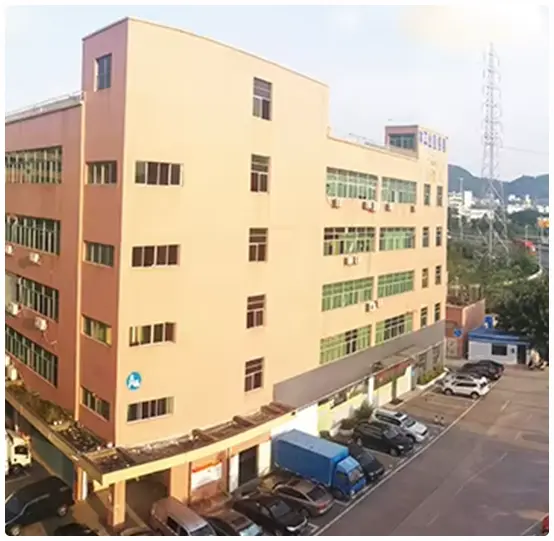
Located in Huangyan District, Taizhou City, Zhejiang Province—widely known as the "International Plastic Kingdom"—our production facility operates at the center of the world's most dense plastics cluster. This strategic location offers unique supply chain advantages that are difficult to replicate elsewhere.
Our proximity to raw material producers, advanced mold designers, and precision machine manufacturers allows us to shorten research and development cycles from months to days. This localized ecosystem underpins the resilience of our supply chain, ensuring production continues even during global logistical disruptions.
Additionally, our geographic location provides significant logistics advantages for global distribution:
By integrating automated injection molding systems, automated assembly lines, and inline quality assurance, we reduce manual handling and minimize batch-to-batch variation, ensuring consistent product quality.
Huangyan Dadi Plastic Product Factory was established in 1992, and has spent over three decades establishing itself as a premier manufacturer of high-quality household plastic items and automated kitchen aids. Located in Huangyan, Zhejiang, our facility operates in a region renowned for its polymer engineering and mold-making expertise.
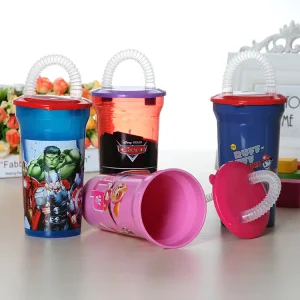
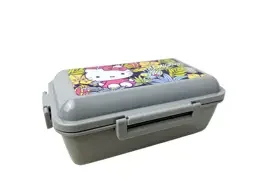
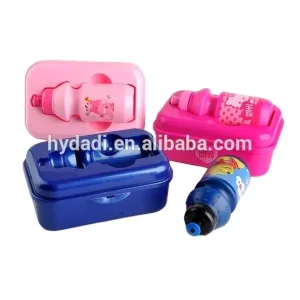
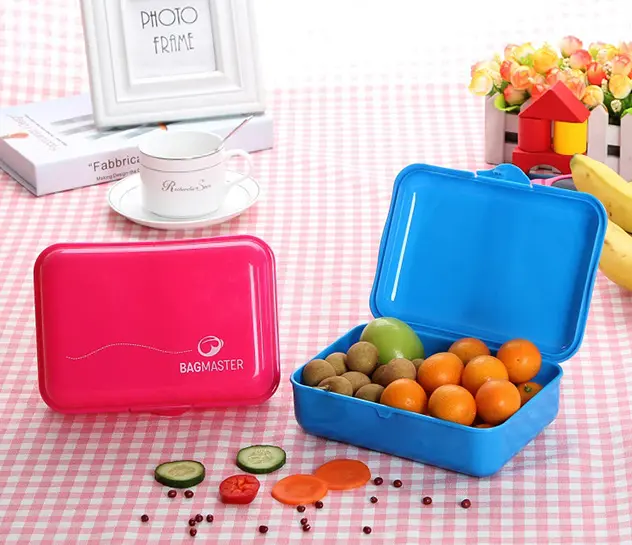
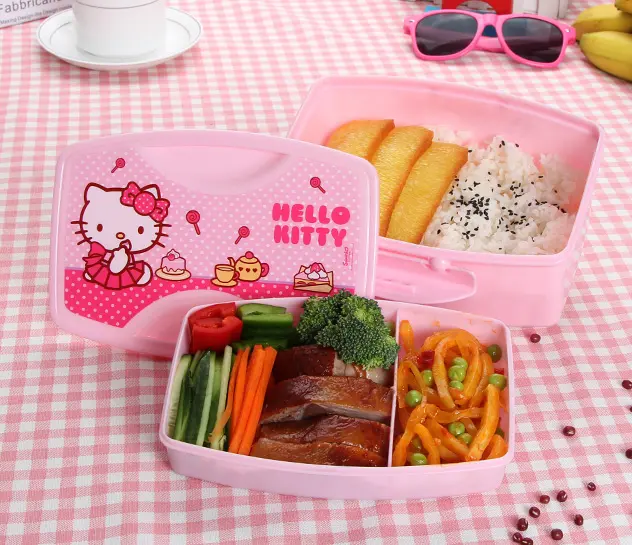
Our product catalog spans fruit peeling devices, household pots, children's insulated water cups, and modern kitchen utensils. Guided by our founding philosophy of "Quality First, Customers First" and our core management principle to "Develop with Science and Technology," we serve retail, wholesale, and OEM/ODM clients worldwide. We are committed to supplying high-quality products and a comprehensive range of support services.
 Continuous Innovation
Expertise and Know-how
Optimal Support Service
Your Trusted Partner
Continuous Innovation
Expertise and Know-how
Optimal Support Service
Your Trusted Partner


Combining three decades of manufacturing experience with scientific quality control systems

Over 24 years of manufacturing experience. We understand international market dynamics, consumer safety requirements, and supply chains.

A professional production team backed by advanced injection molding machines and engineering software for custom development.

Professional, efficient quality assurance. Every production run undergoes inline checks and final audits to meet regulatory standards.

We provide 24/7 online support to address product inquiries, shipping logistics, and custom OEM/ODM development needs.
From high-volume commercial kitchens to everyday household convenience
In high-throughput environments like hotels, dining halls, and schools, manual peeling is slow and labor-intensive. Automated peeling equipment speeds up food preparation while keeping kitchens clean. Standardized peeling depth also helps reduce food waste, helping operations manage food costs and margins.
For small-to-medium food processing operations preparing dehydrated fruit, pie fillings, or canned produce, automatic fruit peelers bridge the gap between manual prep and massive industrial machinery. Their small footprint, low power requirement, and ease of cleaning make them highly versatile for localized food processors.
For home kitchens, automatic peelers offer safety and ease of use. They are particularly helpful for elderly users or individuals with limited hand strength, replacing sharp handheld blades with a simple, touch-activated process. High-quality plastic housings also ensure these devices are easy to clean and store.
Answering key technical, logistical, and material questions from international buyers
High-quality water cups, insulated lunch boxes, and specialized household products



 Dadi Plastic