Explore our top-tier insulated series designed to maintain thermal efficiency, built with high-grade food-safe polymers.
Why international enterprise supply chains are prioritizing active heating solutions over traditional storage.
Modern corporate procurement departments are increasingly viewing health-conscious amenities as key drivers of employee satisfaction and productivity. High-quality electric food containers address a major concern for office workers: access to warm, nutritious, home-cooked meals without relying on communal office microwaves, which are often unsanitary or bottlenecked during peak hours. By importing premium electric food containers, enterprises provide a direct path toward healthy eating habits, reducing reliance on fast food.
The rise of long-haul logistics, rideshare economy drivers, construction engineers, and mobile professionals has created a massive market for in-vehicle heating solutions. Traditional thermal lunch boxes lose heat within 2–4 hours. Electric food containers equipped with dual-voltage configurations (12V/24V for automotive and 110V/220V for standard wall outlets) provide consistent heat source options for transit networks, ensuring hot meals are accessible anywhere on the globe.
An engineering analysis of thermal mechanics, polymer safety, and circuitry configurations.
Unlike traditional resistance wire heaters, high-quality electric food containers utilize Positive Temperature Coefficient (PTC) ceramic heating elements. PTC technology automatically self-regulates its power output based on real-time temperature, preventing localized overheating, scorched flavors, or fire hazards. It maintains a constant temperature range of 65°C to 75°C (149°F to 167°F) to preserve food nutrients and moisture.
The outer casing is injection-molded from high-impact Food-Grade Polypropylene (PP) and Eastman Tritan copolyesters. These materials are chosen for their excellent thermal insulation properties, high heat resistance, BPA-free certifications, and chemical resilience. This ensures that even under prolonged exposure to heat, no harmful microplastics or chemical compounds leach into the food cavity.
To optimize energy efficiency, modern electric containers leverage double-walled vacuum configurations. Combining a high-grade SUS304 or SUS316 stainless steel inner liner with a thermal barrier allows the unit to retain heat efficiently. This reduces electrical consumption from 40W to less than 15W during maintenance phases, maintaining safe temperatures long after power disconnection.
The next generation of portable heating: Smart integration, energy independence, and green circular materials.
Future iterations will move away from single-button heating interfaces. In-development modules feature BLE (Bluetooth Low Energy) and Wi-Fi chips that connect to home automation or fitness apps. Users can set custom temperatures for specific meals (e.g., lower heat for fish to avoid overcooking, higher heat for dense stews) and schedule heating cycles so meals are ready exactly when breaks begin.
Aligning with global zero-waste policies, R&D is heavily focused on replacing petroleum-based outer plastic casings with bio-synthesized materials. These next-generation PLA (Polylactic Acid) composites or bamboo-fiber reinforced bio-polymers will retain structural integrity at temperatures exceeding 100°C while boasting a significantly lower carbon footprint and high end-of-life biodegradability.
Located in the prestigious "International Plastic Kingdom" of Huangyan District, Taizhou City, in eastern Zhejiang Province, Huangyan Dadi Plastic Product Factory has established itself as an industry leader since 1992. Over three decades of structural growth, technical expertise, and dedication to polymer engineering have powered our global export operations.
Our strategic coastal location offers unparalleled logistical advantages. We are situated just 8 kilometers from Jiaojiang Port, 160 kilometers from Ningbo Port, and 18 kilometers from our local Airport. This logistical network enables rapid dispatch, minimized container loading delays, and highly optimized freight costs, ensuring our B2B customers receive rapid delivery of all orders.
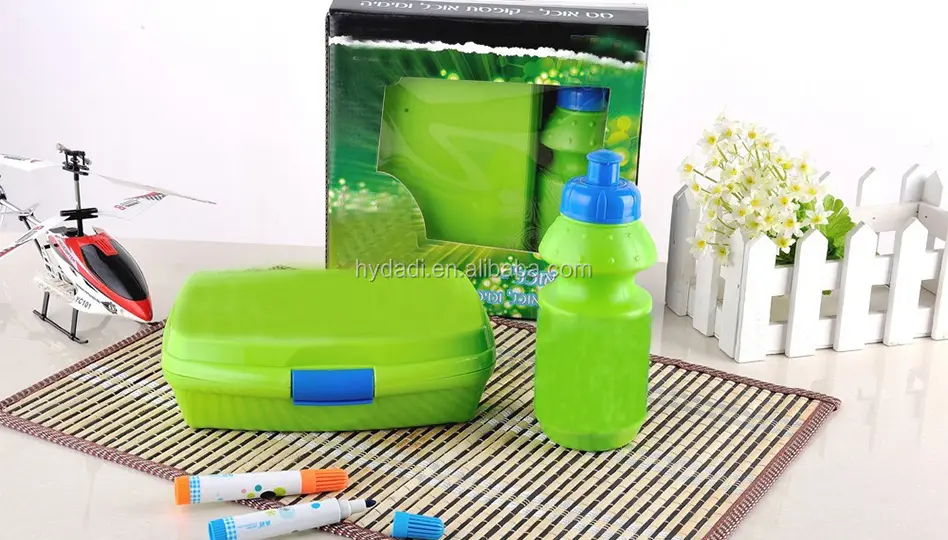
Our primary manufacturing footprint specializes in a wide array of premium household polymer products. In addition to our pioneering work in electric-insulated containers, our main products include fruit peeling devices, pots, children's water cups, and kitchen utensils. Guided by our foundational principles of "Quality first, Customers first" and our core management theory, "Develop with science and technology," we seek long-term, mutually beneficial partnerships with global brands, distributors, and bulk importers.
 Continuous Innovation
Expertise & Know-how
Optimal Support Service
Your Trusted Partner
Continuous Innovation
Expertise & Know-how
Optimal Support Service
Your Trusted Partner
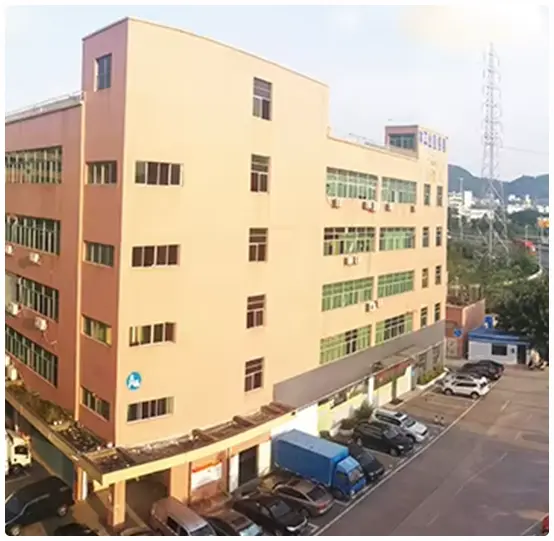
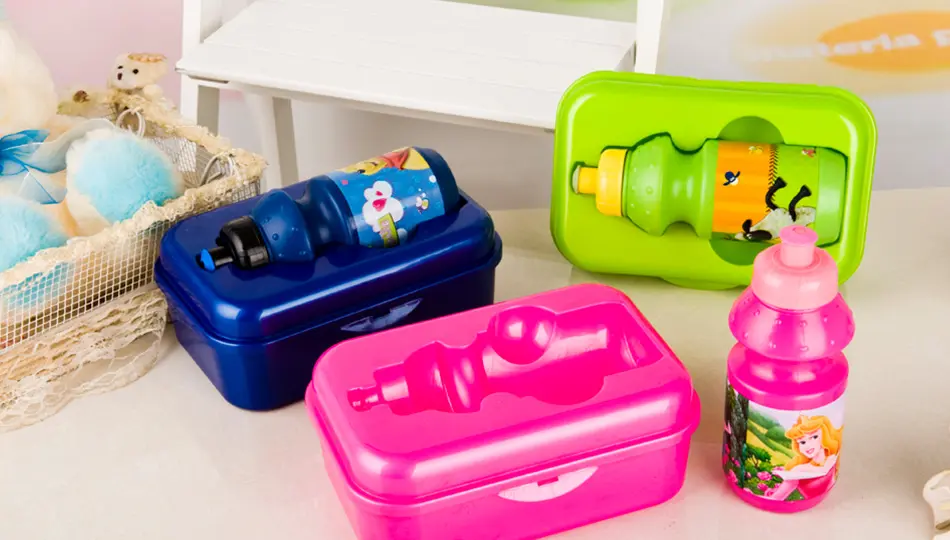
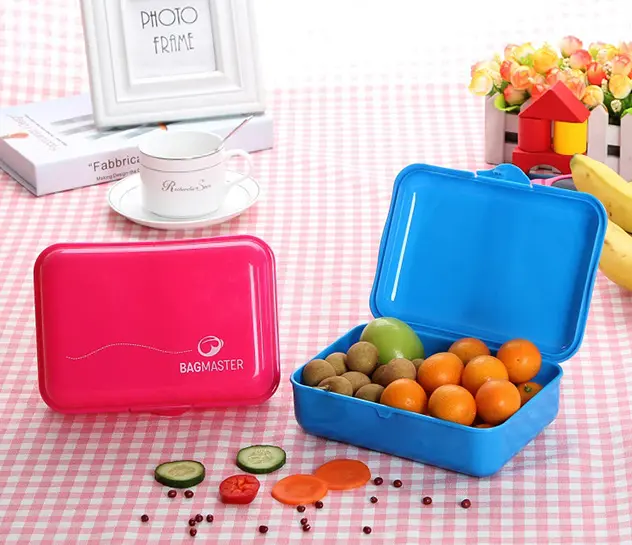
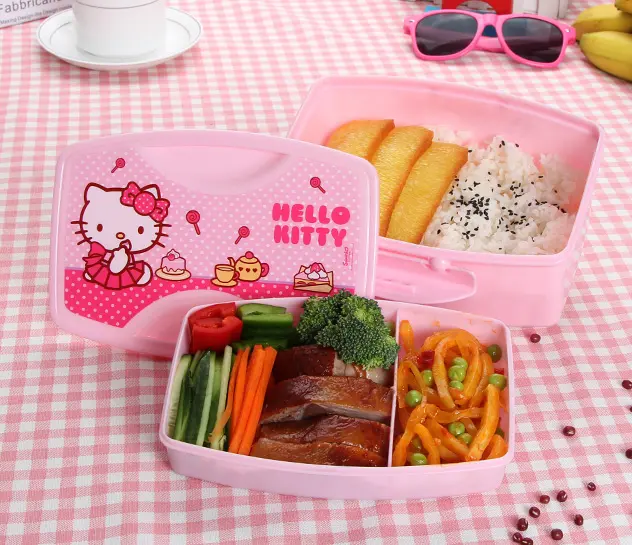
Our manufacturing infrastructure is built to support high-volume global distribution and strict quality standards.


We combine raw experience, advanced plastics engineering, and modern customer support.

We boast 24+ years of specialized industry experience in molding food-safe containers and kitchen plastics.

Powered by a dedicated R&D department, advanced CNC tooling, and precise injection molding machinery.

Strict compliance and rigorous testing regimes ensuring all items meet international food-grade certifications.

We offer comprehensive 24/7 online support, with end-to-end OEM and ODM custom branding solutions.
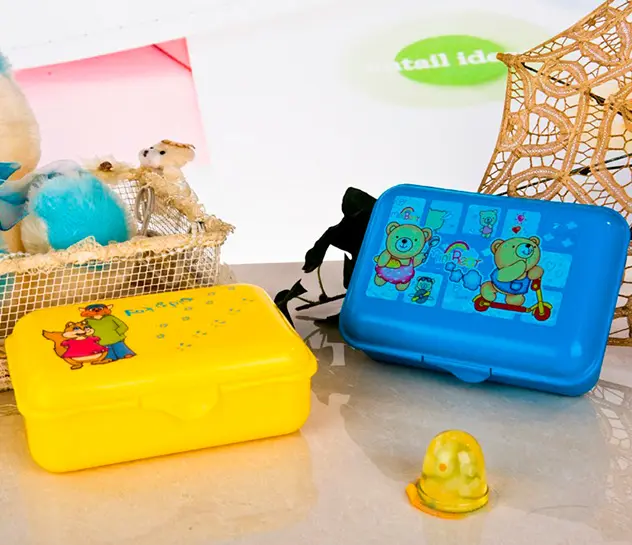
Exporting electric food containers into regions like North America, Europe, and Japan requires strict adherence to international safety directives. As an experienced B2B manufacturer, we verify that our products are fully certified and ready to clear custom checkpoints seamlessly.
Answers to common engineering, material safety, and custom branding questions.
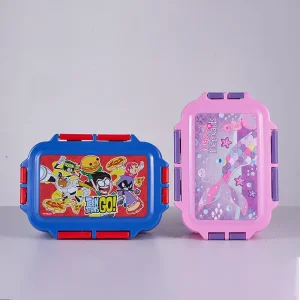
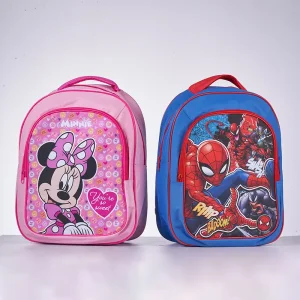
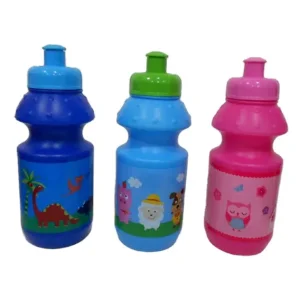
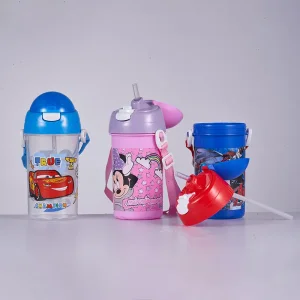
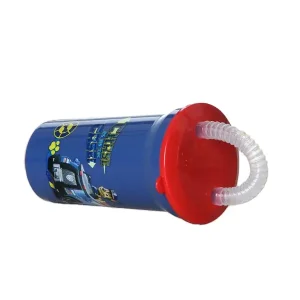
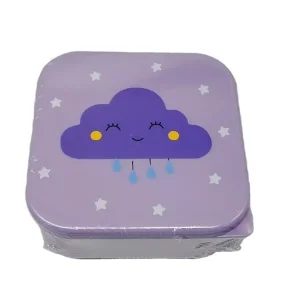
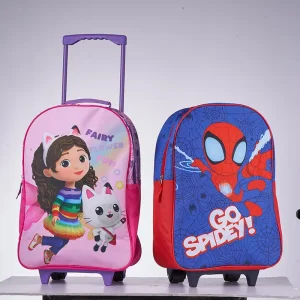
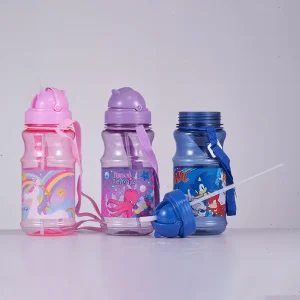
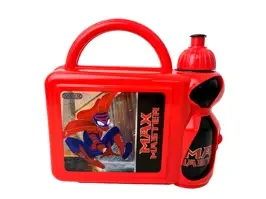
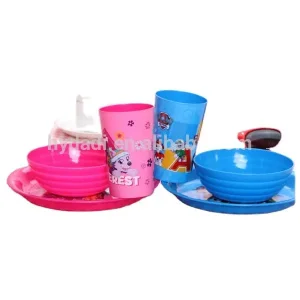
Browse our extended product lineup, featuring kids' bento solutions, customized water bottles, and breakfast sets.
 Dadi Plastic