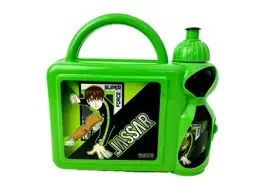
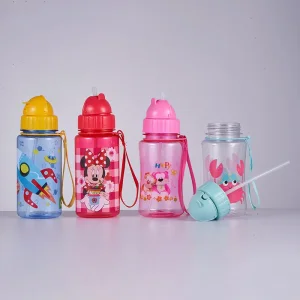
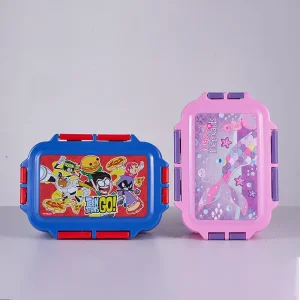
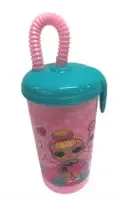
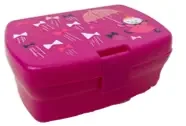
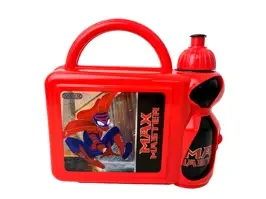
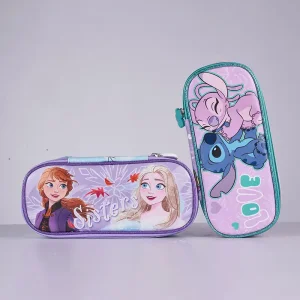
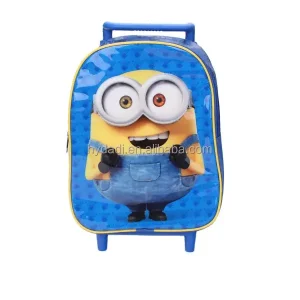
Explore our top-selling precision food-grade containers, custom lids, and high-performance drinkware.
In the modern, highly globalized food industry, rigid packaging represents more than a container; it acts as a critical link in the food safety chain. Specifically, the commercial demand for grated cheese containers continues to grow due to the global expansion of Quick Service Restaurant (QSR) networks, processed dairy markets, and hypermarket distribution networks. Large-scale procurement teams face the complex challenge of identifying suppliers who can produce high-quality, barrier-integrated packaging that ensures a long shelf life.
Industrial suppliers must meet high standards for high-speed filling lines, structural resilience during transcontinental logistics, and thermal stability. These factors are critical for modern automated packaging facilities, where even a slight variation in the container dimensions can cause downtime on the line.
Grated cheese is inherently susceptible to clumping and moisture absorption. Effective packaging design must integrate advanced barrier technologies to maintain dryness and block ambient moisture. The container's material must limit the Water Vapor Transmission Rate (WVTR) and Oxygen Transmission Rate (OTR) to preserve the freshness and flavor of the cheese.
Additionally, the container's closure system must be engineered to prevent internal condensation and external moisture ingress. Modern designs incorporate dual-hinge shakable caps with custom-sized sifter holes and pouring ports, providing convenience for end-users while sealing tightly to keep the cheese fresh during storage.
Food safety regulations mandate strict compliance from plastic packaging manufacturers. Material choices are usually limited to high-purity Polypropylene (PP) and High-Density Polyethylene (HDPE). These materials are chosen for their excellent impact resistance, high thermal tolerance, and compatibility with injection molding techniques.
Leading manufacturers ensure that all raw materials are FDA and EU food contact compliant (EC No 1935/2004 and EU No 10/2011). In response to increasing environmental regulations, suppliers are also developing containers made from Post-Consumer Recycled (PCR) resins and bio-based plastics. These innovations must be achieved without compromising the structural integrity or chemical inertness of the containers.
From raw polymer processing to final cleanroom packing: a deep dive into the precision molding of industrial grated cheese containers.
The quality of a food container depends on the precision of the injection mold. High-speed, multi-cavity hot runner systems are designed to ensure uniform melt temperature, minimal gate remnants, and consistent wall thickness. Mold-flow analysis tools are used to predict parting line locations, avoid air traps, and optimize cycle times down to under 6 seconds per cycle. This technology helps maintain structural uniformity across millions of units.
The lid design requires careful engineering to balance functionality and seal integrity. Dual-flapped closures are molded in a single step using advanced living-hinge technology, which is tested to withstand over 10,000 openings without tearing. In-mold labeling (IML) and automated liner insertion (induction sealing) are integrated into the production line to provide clear tamper evidence and enhance the container's barrier performance.
Quality control is critical for food-grade packaging. Automated Optical Inspection (AOI) systems are installed on the packaging line to check every container in real time. High-resolution cameras detect issues like flash defects, black spots, or misaligned closures, automatically ejecting non-conforming items. This standard helps ensure a high yield of defect-free products for packaging plants.
| Polymer Type | Moisture Barrier (WVTR) | Thermal Resistance | Impact Toughness | Recyclability Rating | Common Applications |
|---|---|---|---|---|---|
| Polypropylene (PP) | Excellent | High (up to 120°C) | Good | High (Code 5) | Shaker Jars, Dual-Lid Closures, Microwave Containers |
| PET (Polyethylene Terephthalate) | Moderate-Good | Low (up to 70°C) | Excellent | Outstanding (Code 1) | Clear Spice Jars, Dressing Bottles |
| HDPE (High-Density Polyethylene) | Outstanding | Moderate (up to 95°C) | Excellent | Outstanding (Code 2) | Milk Jugs, Thick-walled Bulk Tubs |
| PCR-PP (Post-Consumer Recycled PP) | Good | High (up to 120°C) | Moderate | High (Code 5) | Eco-friendly Bulk Cheese Tubs, Non-contact parts |
Established in 1992, Dadi Plastics leverages over three decades of manufacturing experience to deliver high-quality, food-contact safe household and kitchenware plastics globally.
Huangyan Dadi Plastic Product Factory is situated in the Huangyan District of Taizhou City in Zhejiang Province, a region widely recognized as the "International Plastic Kingdom." Our strategic location provides key logistics advantages for international B2B partners. We are located just 8 kilometers from Jiaojiang Port, 160 kilometers from Ningbo Port, and 18 kilometers from the local airport, enabling rapid transit times and efficient shipping routes.
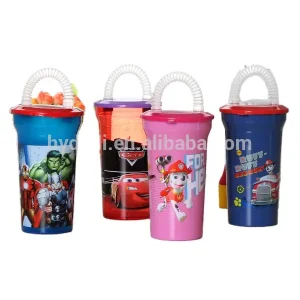
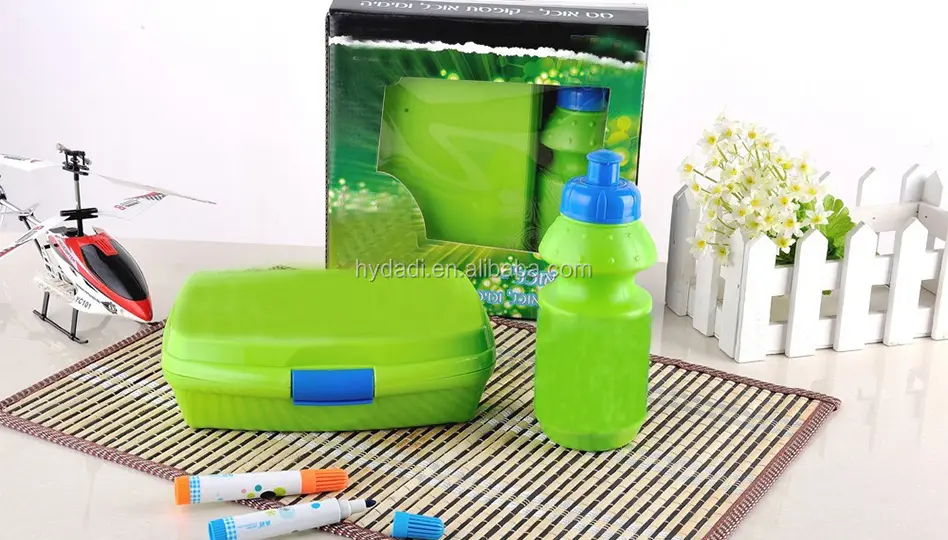
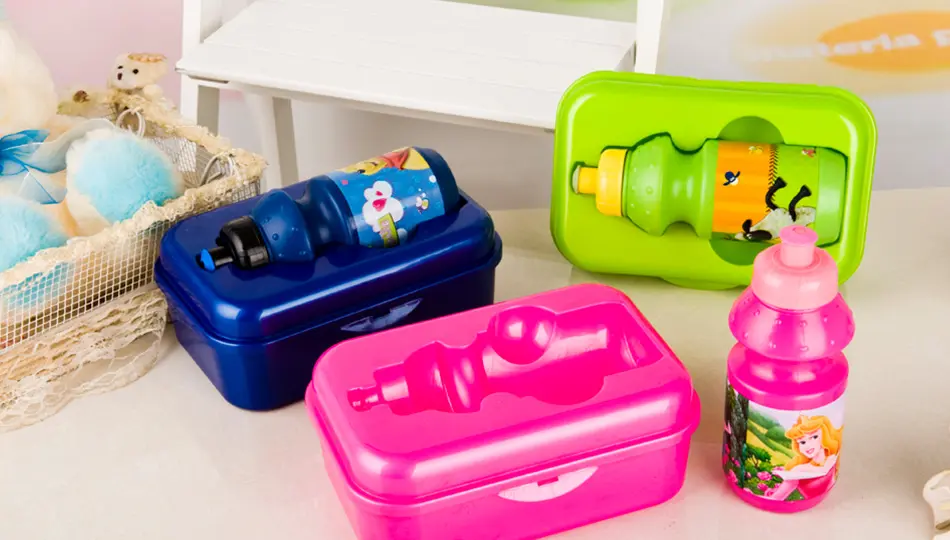
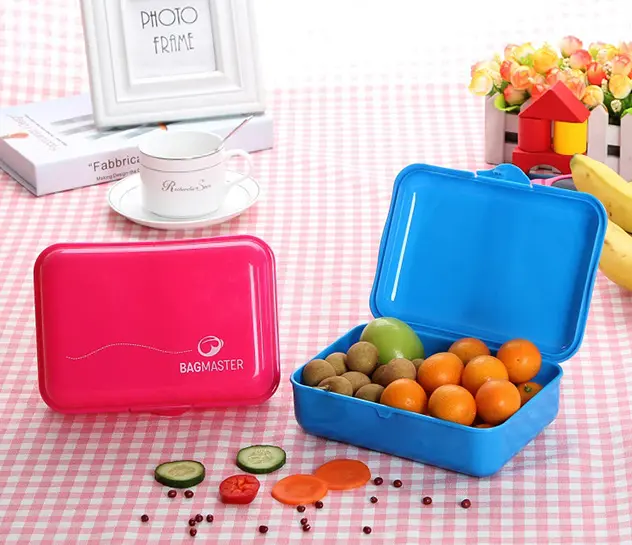
Guided by our core principles of "Quality first, Customers first" and our management philosophy of "Develop with science and technology," we seek long-term, mutually beneficial partnerships with customers around the world. We specialize in producing food-grade kitchenware, children's water cups, pots, and customized plastic packaging.
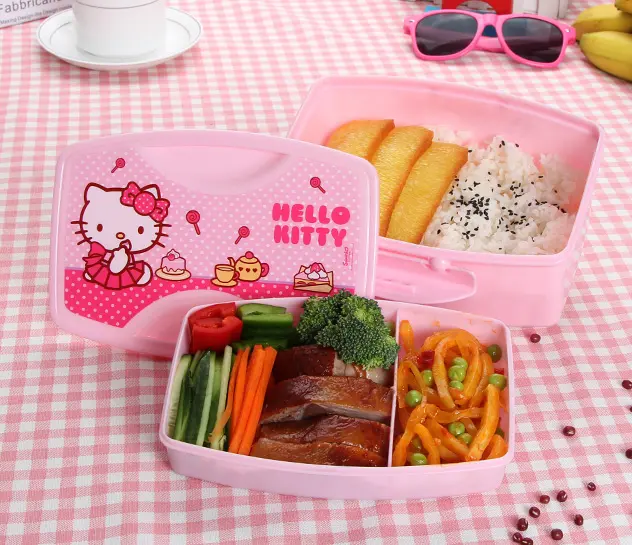


We support OEM and ODM projects, offering design and engineering services from concept rendering to large-scale production.

With over 24 years of hands-on industry experience, we understand B2B clients' quality expectations, cycle requirements, and regulatory standards.

Our production team operates high-speed injection machines and automated molding cells to ensure dimensional stability and consistent production.

Our quality management protocols cover everything from raw material verification to final box drop testing, ensuring consistent batch-to-batch quality.

We offer 24/7 communication lines to assist with scheduling, tooling adjustments, regulatory documentation, and logistical support.
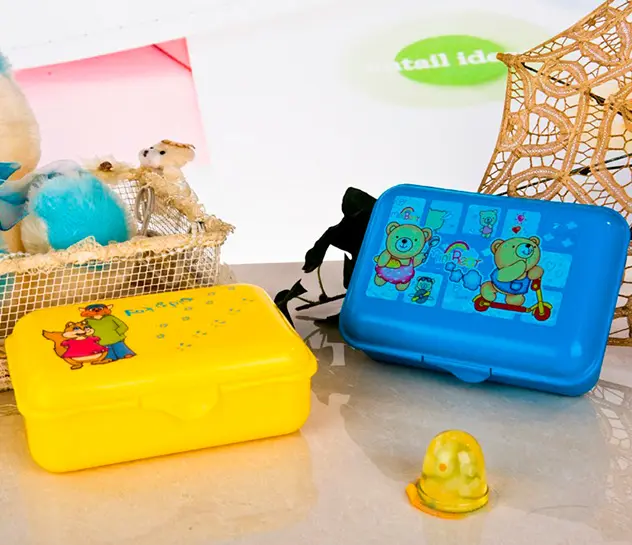
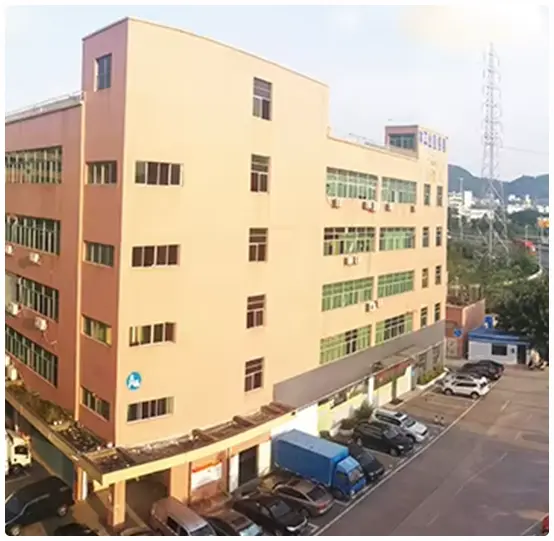
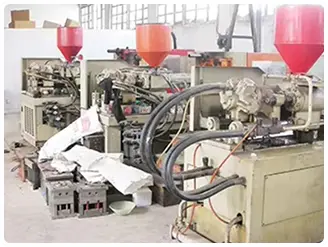
Developing a resilient supply chain requires close integration of product design, compliance, and optimized port logistics.
We provide custom container sizing, unique sifter designs, and specific surface texture finishes. Our design team uses modern CAD/CAM software to turn conceptual models into functional prototypes in 7 to 10 days. We also offer mold flow simulations to optimize gating and cooling, helping minimize distortion and maximize run efficiency.
Our close proximity to Ningbo and Jiaojiang ports helps reduce transport costs and transit times. We consolidate shipments and optimize container loading configurations to ensure products arrive safely while maximizing shipping volume.
We maintain quality assurance protocols throughout the production cycle. Raw materials are checked for purity, and final packages undergo stress testing. Traceability systems track material batches and machine run conditions to support transparency and quality control.
Answers to common questions regarding technical specifications, minimum order quantities, and custom tooling projects.
Browse our second catalog of food-grade containers, specialized school lunchboxes, and customized promotional products.
 Dadi Plastic