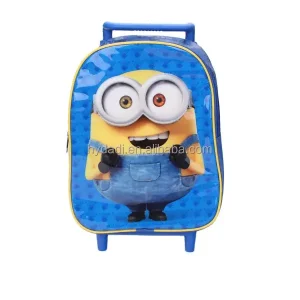
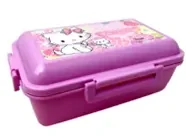
Engineered to meet the rigorous safety criteria of regional distribution hubs and food-grade safety guidelines.
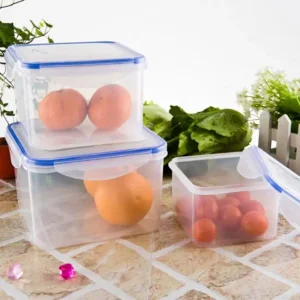
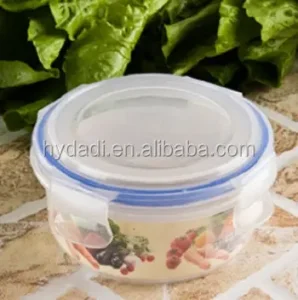
The demand for high-quality food storage solutions in Nepal is witnessing a massive structural shift. Driven by rapid urbanization in primary metros like Kathmandu, Pokhara, Lalitpur, and Biratnagar, consumers and institutional procurers are transitioning away from single-use plastics and traditional metal utilities. This change is catalyzed by a rising awareness of food safety, hygiene protocols, and the practical demands of modern urban living. As double-income families increase and the local food delivery and takeaway market expands, the need for robust, airtight, microwavable, and leak-proof food containers has scaled exponentially.
Furthermore, Nepal's unique geographical topography demands packaging that can withstand wide temperature variations—from the humid heat of the Terai plains to the sub-zero conditions of the high-altitude Himalayan trekking routes. Plastic food storage containers imported for this market must possess excellent thermal stability, high drop resistance, and food-grade chemical safety profiles (BPA-free construction). Leading distributors in Kathmandu are increasingly seeking reliable manufacturing partnerships with Tier-1 Chinese factories to guarantee a steady, cost-optimized supply chain that satisfies these stringent requirements.
The rise of food delivery platforms and professional catering across Kaski and Bagmati provinces has placed a premium on leak-proof plastic food boxes. Operators require stackable, modular containers that protect food during transport on challenging roads.
Regulatory oversight by Nepal’s Department of Food Technology and Quality Control (DFTQC) is becoming more stringent. Sourcing products certified by FDA and LFGB international food-grade safety standards is now a commercial necessity for importers.
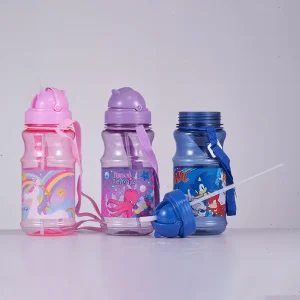
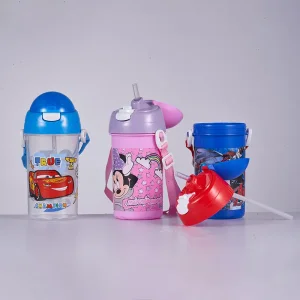
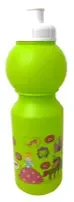
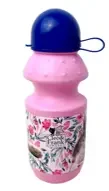
Discover our range of school cups and bottles configured for retail chains and educational institutional supply.
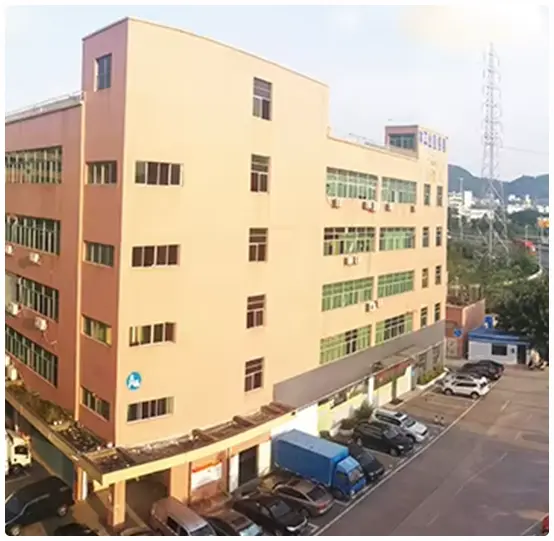
Established in 1992, we are located in the "International Plastic Kingdom" of Huangyan District, Taizhou City, Zhejiang Province.
Our strategic location provides unmatched logistics advantages. We are positioned only 8 kilometers from Jiaojiang Port, 160 kilometers from the deepwater Ningbo Port, and 18 kilometers from Taizhou Airport. This setup ensures that we can expedite transport routes and guarantee rapid delivery of B2B bulk orders internationally.
With over three decades of manufacturing experience, we specialize in high-capacity injection molding, mold customization, and high-volume assembly lines. Our factory handles the entire product cycle, from food-grade PP/PS granule sourcing to molding, printing, quality inspect, packing, and container loading. We serve international distributors, brands, and large-scale supermarket chains globally with tailored OEM and ODM services.


Our experience in cross-border trade guarantees trouble-free freight solutions for importers in Nepal.
For wholesale importers in Nepal, the logistics journey of cargo container shipments is a key variable determining bottom-line profitability. Huangyan Dadi Plastic Product Factory has optimized export packaging procedures specifically to reduce volumetric weight, thereby lowering ocean and overland freight costs. Our proximity to Ningbo Port enables us to coordinate rapid container drop-offs and seamless customs filings.
Typically, shipments heading to Nepal follow two main transit routes: the maritime route via the Port of Kolkata (India), followed by rail or road transit to the Birgunj Dry Port (ICD), or direct overland transit crossing the China-Nepal border through the Gyirong (Keyrung) or Rasuwagadhi border crossings. Our logistics department coordinates directly with local transport agencies, providing full commercial documentation, export custom clearances, and certificates of origin, ensuring quick border clearances without costly delays.
We design our food container products with nested geometries, allowing products to slide inside one another when packed. This optimization dramatically increases container loading densities (up to 40% volume reduction compared to non-nested variants), giving B2B buyers a distinct competitive edge on pricing.
Consolidated Shipping Tip:
Combine food storage containers, kids' water bottles, and plastic kitchen utensils in a single 40ft HQ container to optimize freight costs per unit across diverse product lines.
Explore our complete range of insulated lunchboxes, water cups, and children's school supplies.
Combining 30 years of manufacturing experience with flexible OEM/ODM capabilities.

Leveraging three decades of technical production experience in household plastics fabrication.

Automated precision injection machines and highly qualified factory floor engineering teams.

Certified FDA / LFGB food contact safety compliant polymers and robust QC protocols.

24/7 dedicated account support assisting from initial design to customs clearance.
Discover how our products perform in real-world professional environments across the region.
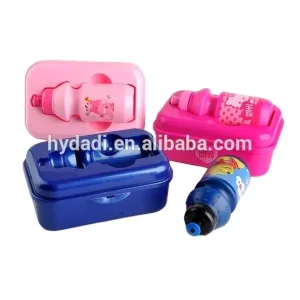
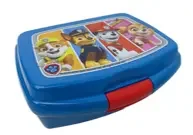
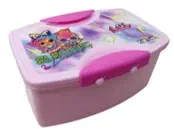
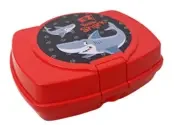
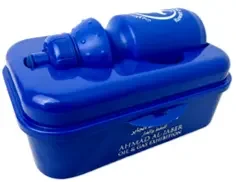
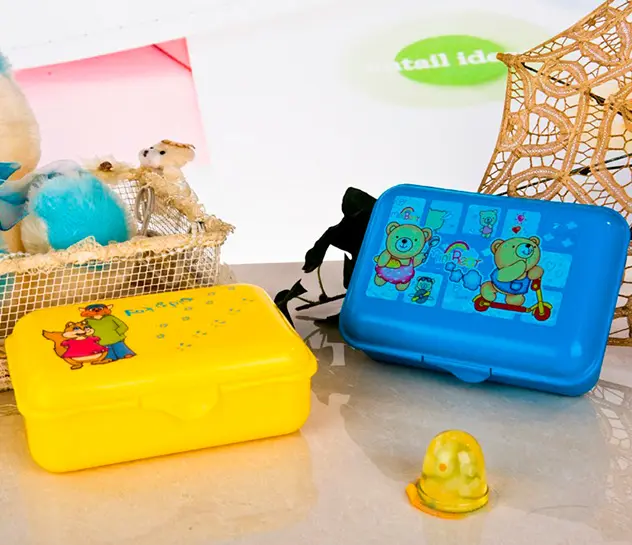
Our insulated cartoon lunch boxes (e.g., C-341 and C-355 models) and leak-proof plastic cups are widely popular in primary and secondary academies throughout Kathmandu Valley. School children require containers that are light, durable enough to survive drop-tests, and insulated to keep meals warm during cooler high-altitude winter mornings.
For expedition groups managing base camps, food safety is a critical operational safety factor. High-density transparent food containers provide airtight seals to secure bulk rations from pests and environmental humidity. These stackable boxes pack easily into gear bags carried by guides or pack animals.
Fast-casual restaurant chains in Pokhara use our microwavable lunch boxes to manage takeout orders. Because these containers are microwave-safe, end customers can safely reheat their curries and dal bhat directly within the original packaging, increasing customer satisfaction and reducing plastic waste.
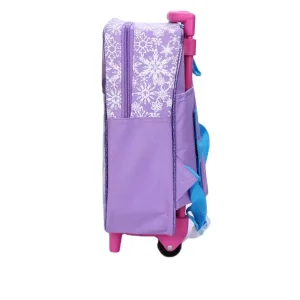
Wholesalers and departmental stores, such as those located in Lalitpur, regularly utilize our OEM services. By customizing school backpacks and cartoon-styled insulated cups with regional patterns and colors, distributors build higher brand value and secure a reliable market share.
Remaining aligned with shifts in material science and international environmental policies.
The global food container market is moving towards heavy-duty, reusable plastic materials that present a lower lifetime carbon footprint compared to single-use options. Polypropylene (PP) remains the industry gold standard for food containers due to its light weight, chemical inertness, high melting point (making it microwavable), and total recyclability. In Nepal, as municipal governments implement bans on ultra-thin single-use carrier bags and packaging materials, local commercial operations are pivoting to sturdier, multiple-use food container boxes.
Another major trend is the integration of smart locking systems, such as dual-component silicone seals and robust four-hinge lock snaps, which prevent oxygen ingress and food degradation. Keeping food fresh for longer directly reduces food waste, which has structural economic benefits in landlocked developing economies. Huangyan Dadi continues to invest in new molds that leverage these design principles, keeping our partners ahead of market trends.
Important purchasing, logistics, and compliance information for professional B2B importers.
Get in touch with our commercial export sales team to secure customized quotes, free sample mockups, and bulk logistics pricing for the Nepalese market.
Send Inquiry Now Dadi Plastic